Some moves go smoothly and some turn into an ordeal. The ones carried out in July and August come with their own risks, and the most obvious one is also the most overlooked: the heat. A summer move isn’t just an inconvenience for the crew; it can damage furniture, ruin appliances and affect materials that were never designed to withstand extreme temperatures for hours on end.
Moving in July isn’t better or worse than doing it at any other time of year, but it does call for different decisions. From what time the truck sets off to the type of packing you use for certain items. Mudanzas Trallero has spent years handling situations like these, and every summer confirms the same thing: the difference between a well-planned move and one that goes wrong usually comes down to the details.
If you have a move planned for this summer, what you read here will save you more than one headache. These aren’t generic tips: they’re the issues that come up most often when something goes wrong during a summer move.
→ What makes a summer move different
→ The materials and items most vulnerable to heat
→ How to schedule the work to avoid the worst part of the day
→ Packing adapted to high temperatures
→ The fridge and food: what can’t wait
→ People matter too: looking after the crew in summer
##
What makes a summer move different
A summer move is a relocation carried out under temperatures and sun exposure that are significantly higher than during the rest of the year. This calls for adjustments in logistics planning, packing and crew management. The goal isn’t to complicate the process, but to adapt it to a variable you can’t control: the weather.
In Spain, July and August can see temperatures of 95 to 113 degrees Fahrenheit (35 to 45 Celsius) in inland areas and along the Mediterranean coast. Under those conditions, a morning of loading is nothing like one in October. Materials behave differently: wood expands, adhesives lose their grip, and paints and varnishes soften in the heat.
There’s also a factor that often goes unnoticed: the time the truck’s contents spend exposed to the sun during the journey or while the vehicle is parked. A removals truck sitting still for two hours in August can reach internal temperatures far higher than those outside. That’s why pace, timing and advance planning aren’t optional details during a heatwave move. They’re part of a job well done.
The materials and items most vulnerable to heat
Not everything you put in a box holds up the same way through an August afternoon. Some materials and items are sensitive enough to heat that they can end up with irreparable damage if you don’t account for them from the very start.
Solid wood and lacquered furniture are especially tricky. In intense heat, wood moves: it expands, it can warp and in some cases it opens joints that were previously sealed. Lacquer and paint soften in the heat, and any pressure or rubbing can leave permanent marks. If you have white or light-toned lacquered furniture, take extra care.
Appliances and electronic devices need special handling. Batteries, screens and sensitive components shouldn’t be exposed to sudden temperature changes, especially if they spend hours inside a truck in full sun. The simplest solution is to move them in your own vehicle, with air conditioning, whenever possible.
Candles, cosmetics, medicines and any product that can melt or degrade in the heat are another point to watch. They often get tossed into generic boxes without a second thought. Separate them, label them and let the crew know. Musical instruments, paintings and artwork also deserve a special mention: sudden changes in temperature and humidity affect their materials in ways that aren’t always reversible.
How to schedule the work to avoid the worst part of the day
The time window is probably the smartest decision you can make during a summer move. Working from 7:00 a.m. to noon is nothing like working from 11:00 a.m. to 4:00 p.m. The temperature difference can top 10 degrees, and that changes the whole experience of the move.
In summer, the ideal is to start as early as possible. The early morning hours are the coolest, the light is still soft and the pavement hasn’t soaked up the day’s heat. If the move is long and can’t be finished before midday, the sensible option is to plan a break between 1:00 and 4:00 p.m. and pick back up once the sun eases off. Pushing through the central hours of the day is neither efficient nor safe.
In urban areas, there’s another solid reason to start early: traffic and parking. Removals trucks in cities like Barcelona need to reserve loading and unloading spaces, and doing so first thing usually means less stress, fewer incidents and a smoother operation overall.
A professional removals company factors timing in when finalizing the day’s plan. It isn’t chosen at random; in summer, when the work happens is a direct part of service quality. If they don’t mention it when you ask for a quote, ask. That detail says a lot about how a company works.
Packing adapted to high temperatures
Summer packing isn’t the same as winter packing, even though many people treat it as if it were. High temperatures affect both the packing materials and the protection they offer the contents.
Stretch wrap can cling more tightly than expected to lacquered surfaces or delicate finishes when it’s hot. Using it without an intermediate layer of protective paper can leave marks that are hard to remove on furniture that was spotless. Adhesive tape also behaves differently: its grip varies and it can leave residue on sensitive surfaces when the heat is intense.
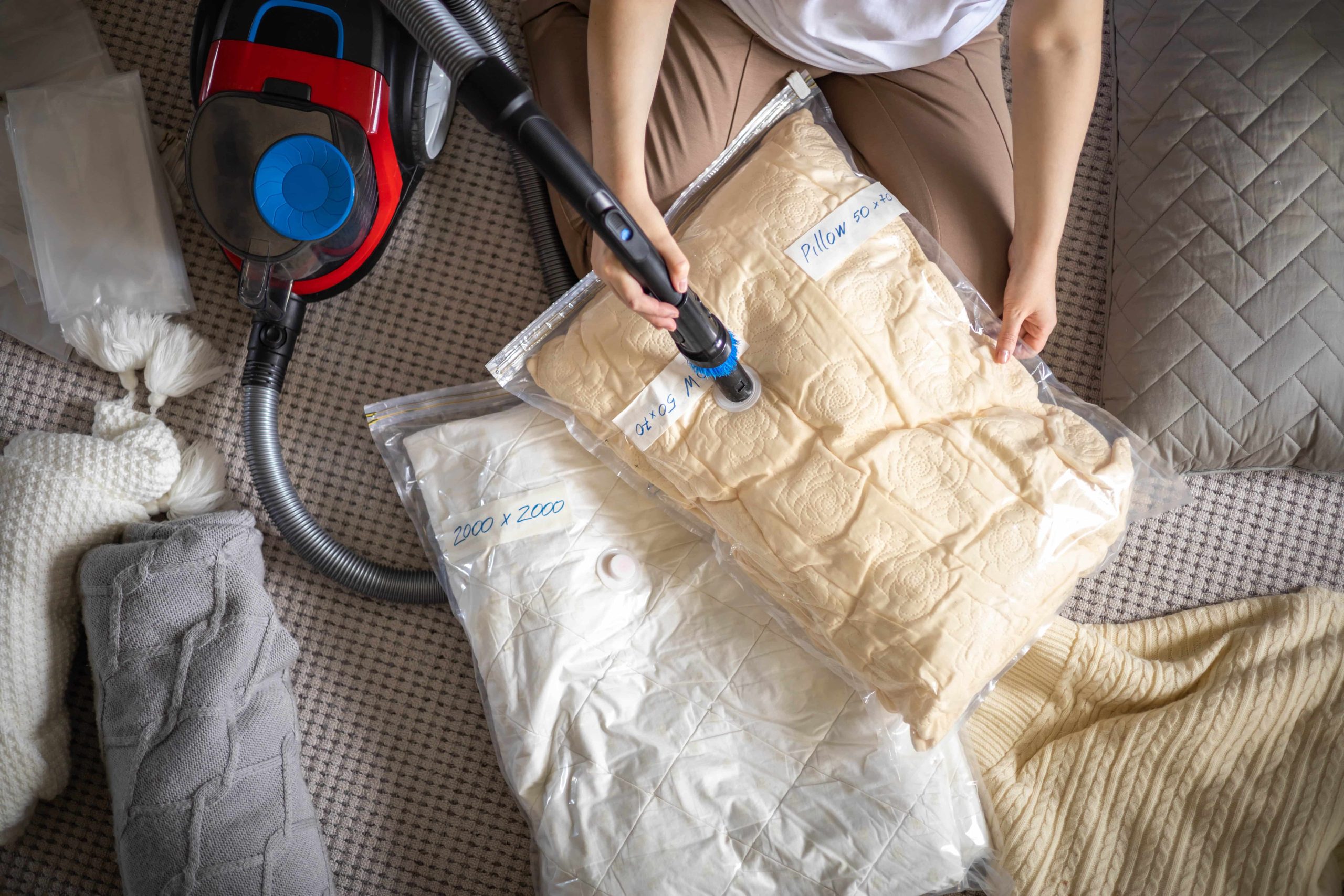
For sensitive items, it’s best to use moving blankets or breathable materials that don’t create a greenhouse effect inside the packaging. Airtight bags sealed on hot days create a humid microclimate that can damage electronics, documents and fabrics. More packaging doesn’t always mean more protection; sometimes it means more risk.
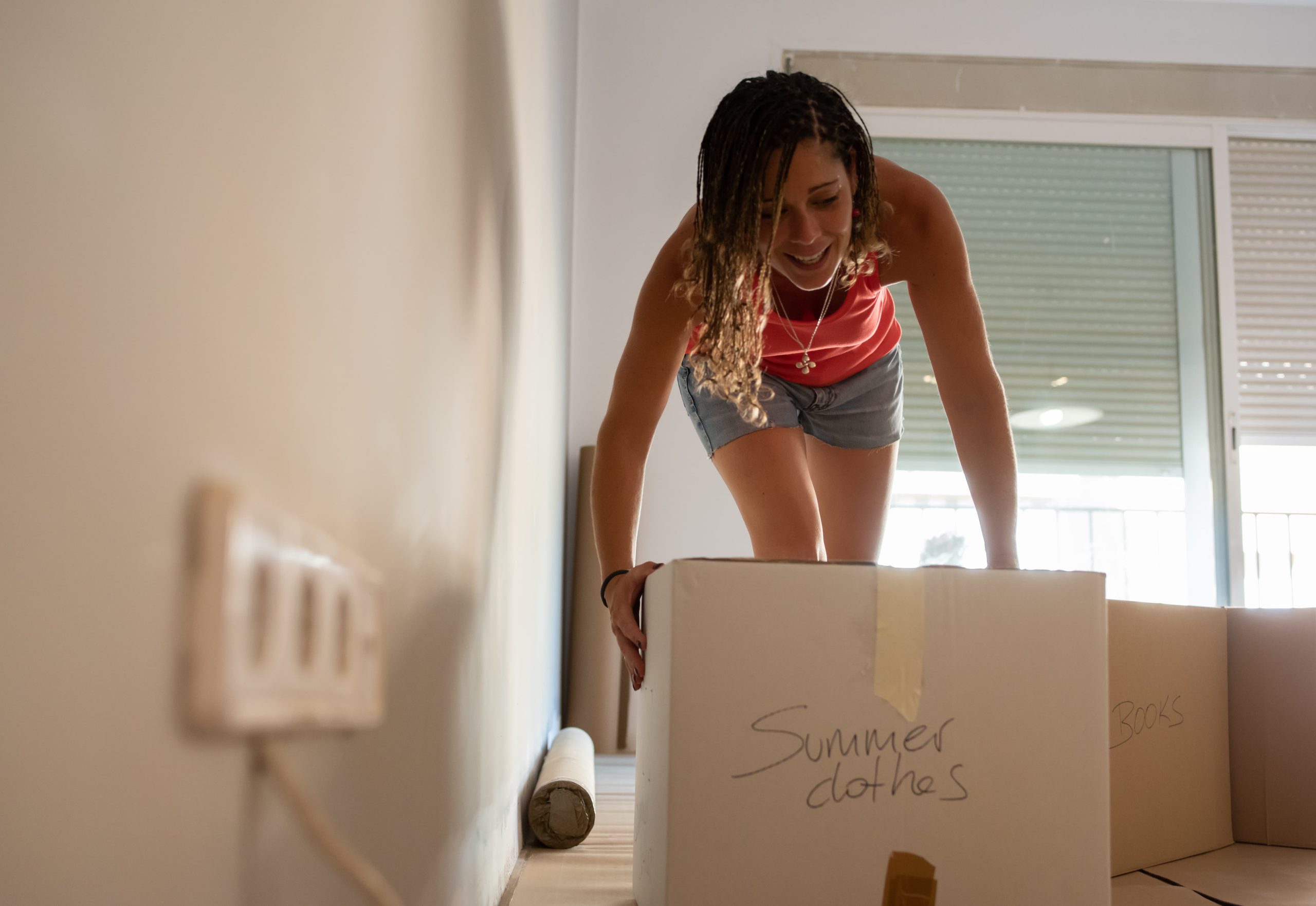
Cardboard boxes have their limits too: if they get damp from condensation or are overloaded in the heat, they lose their rigidity. Better to use good-quality boxes and not overload them. Good packing isn’t about how much bubble wrap you use, but about understanding what you’re carrying and the conditions it will travel in.
The fridge and food: what can’t wait
In a summer move, the fridge and freezer deserve a plan of their own. You can’t move them while they’re running, and once unplugged, perishable food has a very short window before it spoils in the heat.
The usual advice is to unplug the fridge 12 to 24 hours before the move so it can defrost and any moisture can evaporate. Ideally, plan a week of heavy eating beforehand to empty it as much as possible. Whatever you can’t use up will have to be thrown out. It’s not worth complicating the move to hang on to food that’s already near its use-by date.
Dry and canned goods are no problem: they travel just fine. But oils, drinks in glass bottles and vacuum-packed products can run into trouble if exposed to sudden temperature changes or pressure. Label those boxes clearly and make sure they don’t ride in the part of the truck most exposed to the sun during the trip.
People matter too: looking after the crew in summer
A summer move isn’t only about protecting your belongings. It also means looking after the people doing the work. A removals crew performs intense physical labor in conditions that, without proper preparation, can turn dangerous.
Heatstroke is a real risk in loading and unloading work during summer. A temperature of 100 degrees Fahrenheit (38 Celsius) combined with continuous physical effort can lead to emergencies. Professional companies work with hydration protocols, staff rotation and mandatory breaks that are part of their standard operation, not left to goodwill in the moment.
What can you do as a client? Providing easy access to water, keeping the indoor route clear and reserving the lifts are small gestures that make a big difference. Every minute a crew member doesn’t have to wait around with a heavy box is a minute they’re not needlessly exposed to the heat.
If you have young children, elderly relatives or pets, plan for them to be somewhere else during the busiest hours. The chaos of a move plus the heat isn’t a pleasant combination for anyone, and removing that variable helps the work flow more smoothly and with less tension for everyone.
Your summer move, planned safely
A well-organized summer move doesn’t have to be any harder than any other. It just needs more attention to detail, the right materials and a crew that knows how to adapt to the conditions. Improvising in August gets expensive.
If your move falls during these dates, the smart thing is to rely on professionals who have already handled situations like these: who know the most efficient time windows, who work with heat-ready materials and who have a clear protocol for both your belongings and the people involved.
Plan your summer move more safely and clear up any questions before the big day with Mudanzas Trallero. A call now can save you more than one problem when the temperature climbs.