A move between cities is different from relocating within the same neighbourhood. It involves long distances, coordinating several delivery points, hauling significant volumes and, in many cases, the need to sync move-outs and deliveries within a very tight time window. Whether your move is from Barcelona to Madrid, from Seville to Bilbao or from any point in Spain to another, you need a clear logistics plan that avoids bottlenecks, delays and loss of belongings.
Long-distance moves in Spain have their own particular features: congested roads, traffic regulations that vary by region and the need to coordinate with service providers in two different locations. Mudanzas Trallero has carried out hundreds of domestic moves between cities and understands perfectly the logistical challenges of moving your entire life hundreds of kilometres away.
In this article we walk you through the key steps to organise a long-distance move without losing control over timing, cost and logistics. From the initial planning to the final delivery, here you’ll find everything you need to know.
Table of contents
- Advance planning: information comes first
- How to budget a long-distance move
- Preparing your belongings and professional packing
- Coordination at origin and destination
- What to do after delivery
- Leave your long-distance move to the professionals
Advance planning: information comes first
Before contacting any removals company, you need clarity on three things: the exact date, the approximate volume and how accessible the properties are. The date can’t be vague: specify the day. The volume means counting rooms, large furniture and fragile items. Accessibility means knowing whether there’s a lift at origin and destination, whether the doors are wide and whether there are stairs in communal areas. A piece of furniture that fits easily in a lift in Barcelona might not fit up a staircase in Madrid.
Draw up a preliminary inventory. It doesn’t need to be exhaustive, but it should include large furniture, appliances and valuables. This helps you communicate the real volume to the removals company and ensures nothing gets left behind. A simple list stops you from loading the lorry only to realise the bookcase is still in the old flat.
Study the routes too. If you’re moving from Zaragoza to Malaga, that’s over 700 kilometres (about 435 miles) and 8 to 10 hours, depending on traffic. If it’s between nearby cities such as Barcelona and Tarragona, it’s 100 kilometres and an hour and a half on the road. Distance affects cost, delivery time and the need for intermediate stops. Mudanzas Trallero plans optimised routes taking into account main roads, driving schedules and rest points.
How to budget a long-distance move
The cost of a domestic move between cities depends on clear variables: distance, volume, the complexity of loading and unloading, and additional services such as professional packing or furniture assembly. A serious company gives you an itemised quote, not a round figure. The quote should include mileage-based transport costs, labour, packing if you need it, insurance and the team’s travel costs.
Always ask for an initial estimate by phone or online form, and then a more detailed on-site assessment. Many companies offer this second visit free of charge. The professional assesses real accessibility, identifies potential complications and refines the quote. This final quote is binding once you sign it.
A rough figure for reference: according to the sector, a three-bedroom move between Spanish cities 500 kilometres (about 310 miles) apart costs between EUR 1,200 and EUR 2,000 without additional services, depending on how complex the move is. With professional packing it can reach EUR 2,500–3,000. Request quotes from several companies and compare them, but be wary of offers that are too low: they usually hide extra costs or incomplete services.
Another factor that affects the quote is the date of the move. Domestic moves on weekends or during peak-demand periods (summer, back-to-school) usually carry a surcharge. If you have flexibility, choosing a weekday out of season can cut the cost by 15% to 25%. It’s a detail many customers aren’t aware of and one that can make a significant difference to the total quote.
Preparing your belongings and professional packing
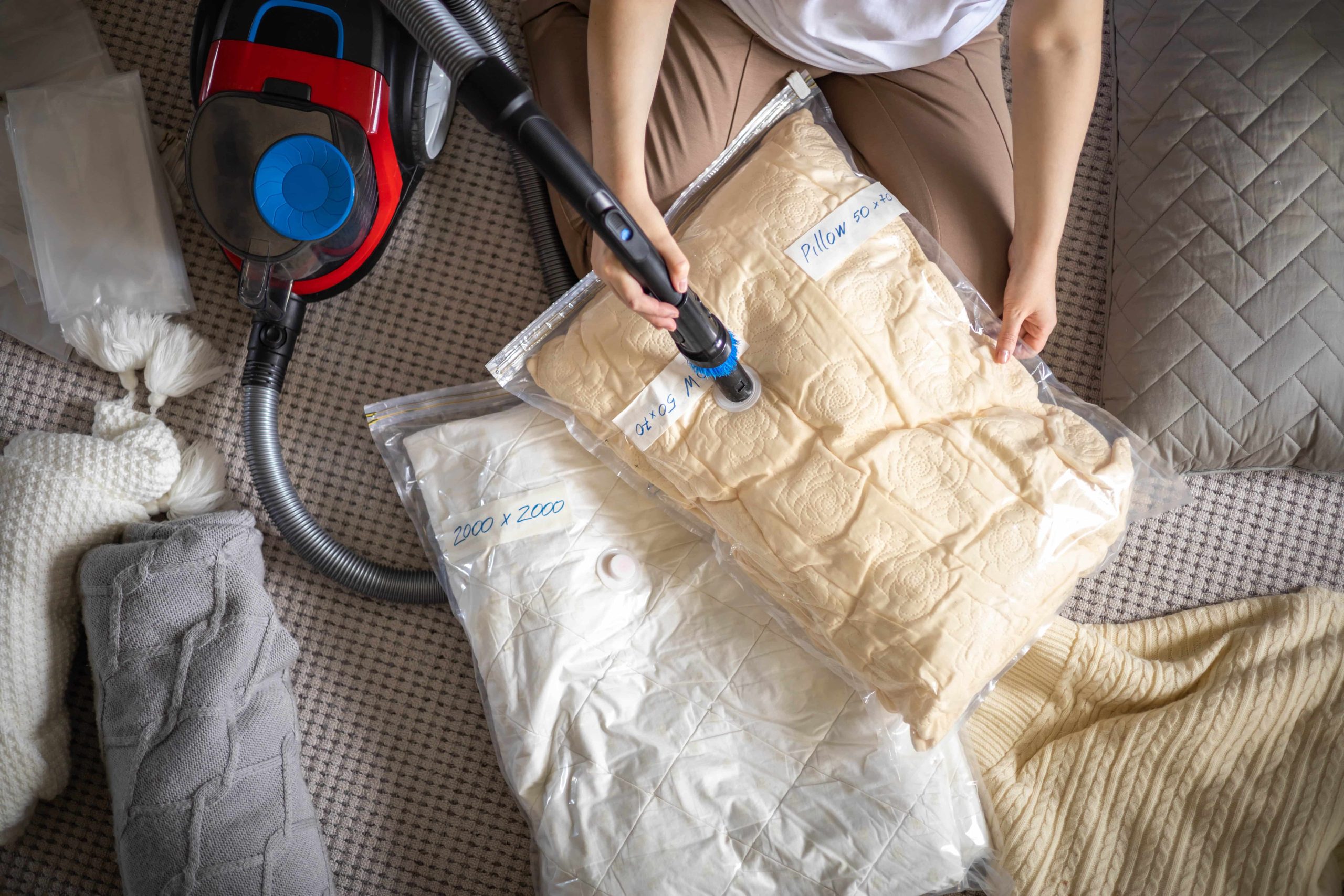
Packing without professional help is tempting as a way to save money, but on long-distance moves it’s risky. Long journeys involve constant vehicle movement, temperature changes and vibration that can damage fragile items. That’s why Mudanzas Trallero recommends professional packing, at least for valuables, glassware, delicate electronics and musical instruments.
Professional packing uses specific materials: cardboard of different thicknesses depending on the contents, bubble wrap, kraft paper, reinforced tape and stacking techniques that maximise stability. Boxes aren’t placed at random; they’re distributed with the vehicle’s centre of gravity in mind. A well-packed move has a near-zero risk of breakage.
If you do partial packing (some items yourself, others professionally), make this clear to the company. Label every box with its contents and where it goes in the house. This speeds up unloading and reduces the chance of losses. Don’t include live plants sensitive to cold, perishable food or important documents: take those in your own vehicle.
Coordination at origin and destination
Moving day starts well before. You need to coordinate with your former landlord or previous occupant for the full move-out. If you’re selling the flat, the process is more critical: it must be empty on exactly the agreed date. Coordinate with the new home too: if it’s rented, let the owner know the exact date. If it’s a purchase, check that you have the keys and access at the scheduled time.
At origin, prepare an accessible space for the movers to load. Clear obstacles from stairs and hallways. At destination, you also need to book the lift if applicable and have access to parking so the lorry can get close to the building.
One aspect often overlooked is coordinating lifts in multi-storey buildings. In large residential blocks, the lift can get overwhelmed during the move, especially if other residents have access at the same time. Some buildings require you to book the lift with the property management, or to specify a particular time slot for its exclusive use. This is especially relevant in major cities such as Madrid or Barcelona, where homeowners’ associations have stricter rules and don’t allow you to block the lift without prior notice.
Coordinate your utility changes too. Setting up water, electricity and gas at the new home should be done at least two weeks in advance so they’re working on arrival day. Also update your address with the bank, insurers, subscriptions and public bodies.
What to do after delivery
When the lorry reaches the destination, you have the right to inspect the load before considering it delivered. Check that all items have arrived, that the furniture has no visible damage and that the number of boxes matches what you handed over. Sign the delivery note only once you’ve carried out this check. If you find damage, document it with photos and report it to the company straight away.
Organise the unpacking methodically. Start with the essentials: bed, kitchen, bathroom. Then move on to the other areas. Empty boxes can be stored, or you can ask the company to take them away. Keep receipts and move documentation for at least a year: moving insurance stays valid during that period.
Carry out inspections at the old home after moving out. Check that nothing has been left behind in cupboards or storage rooms. If there’s damage you caused during the move (scratched floors, holes in walls), document it and report it to the previous owner.
It’s also the moment to make your change of address official. Notify Social Security, the Tax Agency (Agencia Tributaria), your bank and any public body you’re registered with. In Spain, changing your address on the municipal register (padron) requires going to the town hall of the new municipality with your rental contract or title deeds. If you’re moving between provinces, you’re legally obliged to complete this step within a reasonable time. Many customers put it off and later run into problems with notifications, penalties or paperwork arriving at the old address.
If the move involves changing schools for your children, sort out enrolment well in advance: admission deadlines at public schools are strict and don’t always line up with the moving dates. Likewise, if you have pets, check whether the new municipality has the same registration requirements or whether you need to update the microchip. These are small details that, handled before the move, save you weeks of urgent paperwork once you’re settled in your new home.
Leave your long-distance move to the professionals
Organising a domestic move between two cities is complex, but manageable if you have a plan and rely on professionals who know what they’re doing. Trying to do it yourself may save money in the short term, but the risk of damage, delays and stress rarely pays off. A professional move is an investment in peace of mind and in the safety of your belongings. Request your long-distance move with a professional team.