
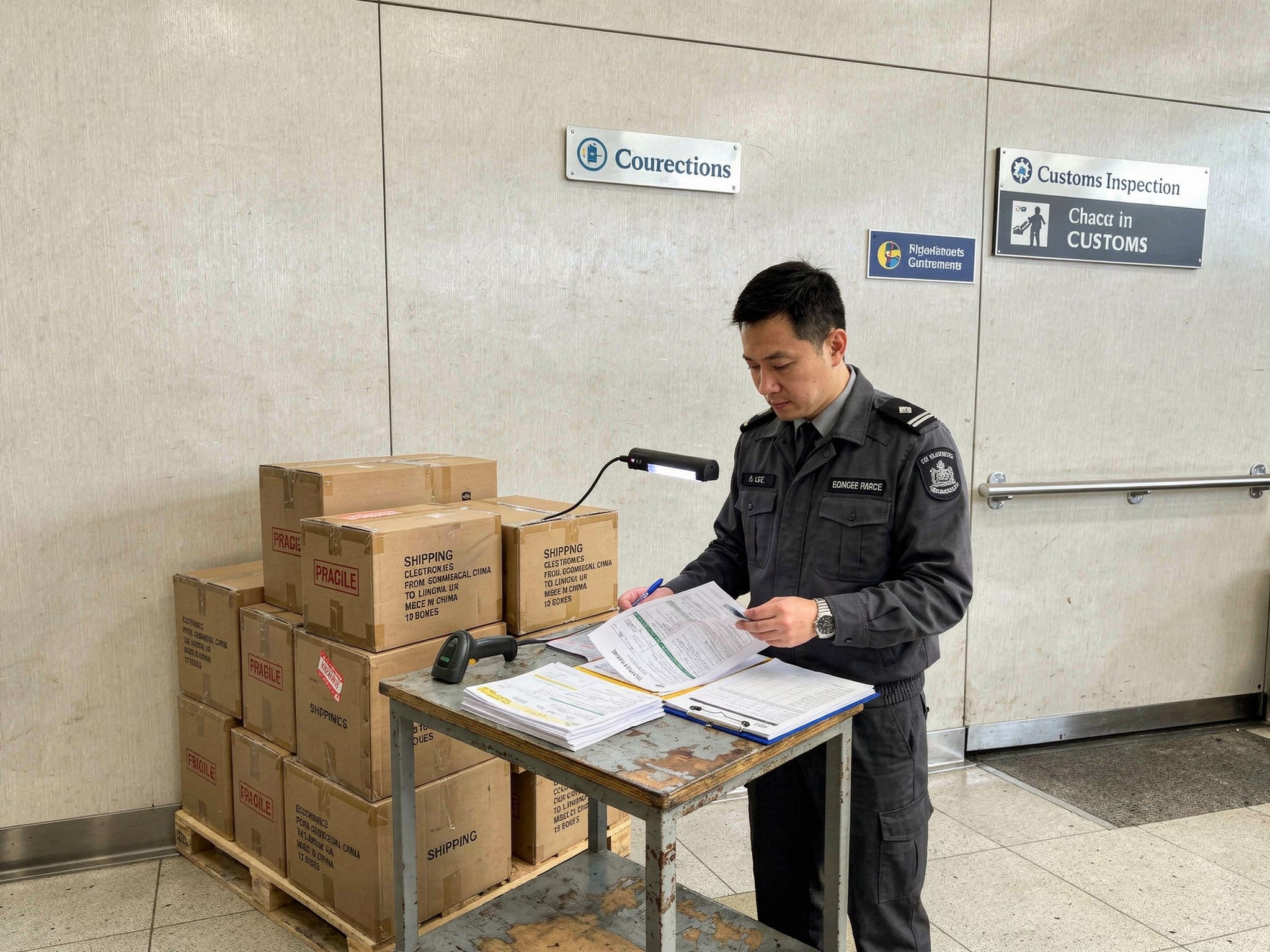
Moving abroad means crossing borders, and when you cross a border with movable goods, customs rules come into play that can’t be ignored. An international move isn’t simply a domestic move in another country: it’s a logistics operation that requires specific documentation, customs declarations and compliance with requirements that vary by destination. Many customers discover too late that their furniture is held up at customs or that they have to pay unexpected duties because they didn’t handle the customs paperwork properly.
The European regulatory framework has considerably simplified moves within the EU (European Union) thanks to free-movement agreements, but even so there are mandatory procedures. If you’re moving outside Europe, the complexity increases exponentially. Mudanzas Trallero has handled dozens of international moves and knows exactly which customs procedures are essential to avoid delays, extra costs and legal problems.
In this guide we go over the key points about customs on an international move, the documentation you need and the most common issues before you move abroad. The customs process isn’t uniform: it varies by destination country, type of goods, declared value and the documentation submitted. That’s why it’s worth treating it as just another variable in your planning, not a secondary formality handled at the last minute.
Table of contents
- What customs procedures are and why they matter
- Mandatory customs documentation
- Differences between moves within and outside the EU
- Customs costs and how to estimate them
- Common mistakes and how to avoid them
- Leave customs handling to the experts
What customs procedures are and why they matter
Customs exist to regulate the entry and exit of goods from a country. Their job is to verify that whatever crosses the border complies with local regulations, that there’s no smuggling and that the relevant duties are paid. On an international move, the shipment abroad contains valuable belongings, some possibly fragile or regulated, and the customs authorities need proof that what’s entering their territory is legitimate.
Why does it matter? Because mishandling customs has immediate consequences: goods held at customs, fines, the inability to collect the shipment without complete documentation, and delays that can stretch into weeks. In extreme cases, the shipment can be destroyed if you can’t prove your right to import it. Customs costs can double the final price of the transport if they aren’t planned for properly.
An international move requires you to declare what you’re carrying, where it comes from, where it’s going and for what purpose. This isn’t about duties on the transport, but on the goods themselves. If you’re moving a collection of paintings, jewellery or technical equipment, the tax authority in the destination country will want to know their value and may well apply taxes. An incomplete or incorrect declaration is the number one cause of customs problems in international moves.
Mandatory customs documentation
The base document is the customs declaration, which in Spain is called the DUA (Documento Unico Administrativo, Single Administrative Document) for operations within the EU, or the SAD (Single Administrative Document) for more complex international customs. This document lists all your goods, their description, quantity, weight and declared value. You can’t improvise: each item must be catalogued and assigned a specific tariff code.
In addition to the customs form, you need: the original purchase invoice or a photocopy if it’s from years ago, a signed detailed inventory, proof of ownership (title documents, bank statements, an email showing proof of purchase), an official change-of-residence document and, where applicable, certificates of origin for valuable items such as jewellery or works of art. Some countries also ask you to sign a declaration that the goods are for personal and not commercial use.
Mudanzas Trallero has agreements with customs brokers who know the procedures for each destination. It isn’t advisable to attempt it alone if you lack experience, because an error in classifying the goods can lead to incorrect customs costs or a rejected shipment. An experienced broker prepares the documentation correctly on the first attempt, saving you time and extra handling costs.
Differences between moves within and outside the EU
Moving within the European Union is relatively straightforward. The Schengen Agreement allows the free movement of people and, to some extent, of personal-use goods. If you move from Spain to France, Italy or Germany, there are no duties on your personal belongings. Even so, you’re still required to submit customs documentation to register your departure from Spain and your entry into the destination country. The process is faster, but no less important.
Outside the EU, everything changes. If your destination is the United Kingdom (post-Brexit), Switzerland, Norway or any non-European country, import duties, the destination country’s value-added tax and specific regulatory requirements come into play. A painting worth EUR 5,000 declared at UK customs could incur a duty of EUR 400–700 depending on its classification. The customs cost is added to the transport and can be substantial.
A figure from the sector: customs costs on moves to non-European countries can represent between 5% and 25% of the total value of the goods being transported. Some customers are unpleasantly surprised when the shipment reaches its destination and they receive a customs bill they never anticipated. If you’re moving outside Europe, consult specialists about the costs before finalising the shipment.
Customs costs and how to estimate them
Customs costs are made up of several elements.
First, the duties, which depend on the classification of the goods and can range from 0% to 25% depending on the product and destination. A second-hand sofa carries a different duty than new office furniture.
Second, the destination country’s VAT (value-added tax) applied to the value of the goods: if you move to a country with 23% VAT and the total value is EUR 10,000, you’ll pay EUR 2,300 in VAT alone, even though those goods have already been taxed in Spain.
Third, the administrative customs fees, which are fixed processing costs.
Fourth, if you hire a customs broker, their fees.
Fifth, possible temporary storage costs if customs holds the shipment for inspection.
All of this together can push the total cost 15–30% above the base transport. That’s why it’s critical to get a clear estimate before finalising the shipment.
Professional removals companies like Mudanzas Trallero have tools to estimate these costs based on the classification of the goods, weight, declared value and destination. It isn’t an exact science, but it is a solid approximation that spares you later surprises. Always request a full breakdown of customs costs before committing to the international shipment.
Remember that customs costs aren’t negotiable once the shipment is at the border. The duties are set by the destination country and there’s no room to manoeuvre. Where you can act is in the planning phase: choosing carefully what you take and what you leave, optimising the declared value within the law and consolidating shipments where possible to reduce processing costs. These are details an experienced customs broker who handles moves abroad knows well.
Common mistakes and how to avoid them
The most common mistake is under-declaring the value of your goods to reduce duties. This is customs fraud and carries severe fines, confiscation of the shipment and a criminal record. Don’t do it. Customs have sophisticated verification systems, and an inspector can easily tell that a painting worth EUR 5,000 was declared at EUR 500.
The second mistake is not preparing the documentation in good time. Incomplete inventories, or ones that fail to describe the goods adequately, cause rejections and delays.
The third is underestimating the number of documents required: each country has its own requirements, and what works in Portugal won’t do for Poland.
The fourth is trying to handle customs without professional help, especially if the destination is an unfamiliar country.
The fifth is failing to insure the shipment: if there’s damage at customs or a loss, you need insurance cover that includes the entire customs phase.
There’s a sixth mistake few guides mention: failing to allow for the real time the customs process takes. Many customers calculate the duration of the move counting only the transport, but forget that customs inspections can take from 24 hours to several days if there’s outstanding documentation. This has a direct impact on planning: if your tenancy agreement starts on a specific date, you need the goods cleared before that date, not in transit. Coordinating this timing well in advance is one of the most valued services offered by companies experienced in moves abroad, and it’s something worth agreeing on from your first contact with the removals company.
Leave customs handling to the experts
Customs on an international move aren’t an obstacle if you know how to navigate them. They’re an administrative formality that requires planning, correct documentation and professional advice. Trying to do it without know-how means risking unexpected costs, delays and legal problems. Moves abroad already carry enough logistical complexity: customs handling should be the part you leave to the experts. Clear up your customs questions with expert help.




