
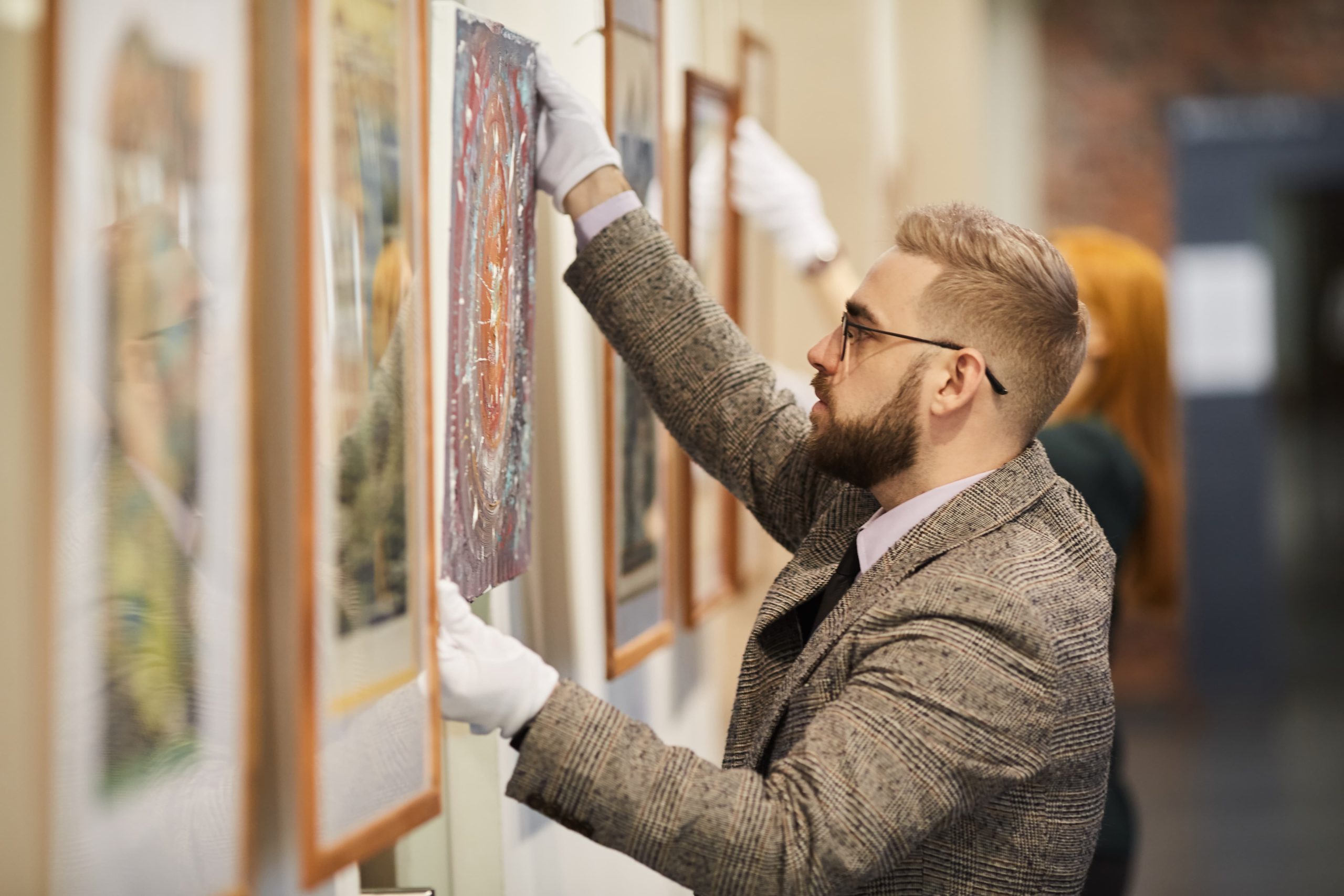
Transporting artwork isn’t simply moving objects: it’s relocating pieces of incalculable value, whether for their age, their technique or the emotional meaning they hold. To protect your art collection as fully as possible, you need to understand the factors that affect the move and adopt specialised practices. In this article we’ll talk you through everything to consider when organising the transport of paintings, sculptures, ceramics and any piece that calls for exceptional care. We’ll cover it all, from the prior appraisal and packing to choosing the vehicle and the insurance.
Appraise the piece before the move
Before planning any movement, take the time to document each piece. Shoot high-resolution photos from different angles, record exact dimensions and note the condition: cracks, repainting, scratches or any detail worth attention. This initial inventory will help you:
- Compare the condition before and after transport.
- Streamline the claims process if an incident occurs.
- Help the transport company determine the packing and handling required.
If you’re dealing with high-value pieces, consider hiring a professional appraiser or conservator to produce a detailed, itemised report. This report brings clarity to the insurance process and backs up any claim.
Know the optimal environmental conditions
Artwork is extremely sensitive to changes in temperature and humidity. A very dry climate can dry out and crack wood or canvases; a damp environment encourages mould and metal corrosion. You must make sure that, throughout transport, the piece stays within a range of:
- Temperature: between 64 °F and 72 °F (18–22 °C), avoiding sharp swings.
- Relative humidity: between 45% and 55%, with desiccants or humidifiers fitted in the containers if needed.
For your peace of mind, hire services that offer climate-controlled transport and continuous monitoring of these parameters, so you can receive instant alerts if anything drifts out of range.
Choose the right packing
Packing is your protective shield. Not just any box or blanket will do: you need professional-grade materials:
- High-density polyethylene foam boards to cushion impacts.
- Non-slip stretch film and PVC-free bubble wrap to wrap the piece without risk of staining.
- Custom plywood crates for very fragile or heavy works.
- Reinforced corners and internal suspension systems for large-format canvases.
- Silica gel sachets inside to absorb moisture.
Each piece should be wrapped in several layers: first a direct protective barrier (film or acid-free paper), then foam and finally the rigid crate. Label every box “Artwork”, “Fragile” and with the correct orientation (“This side up”) to prevent mishandling.
Rely on specialised professionals
Transporting art is not a job for just anyone. Look for companies that have:
- Training in handling cultural property, delivered by recognised bodies.
- Preventive conservation certifications that guarantee standardised protocols.
- Demonstrable experience with museums, galleries or private collections.
You can ask for references and case studies: moves of exhibitions, fairs or high-value pieces. That gives you the assurance of dealing with experts who know the particulars of every material, from oils and acrylics to marble and bronze.
Plan routes and delivery times
The route and duration of the move directly affect the risk of damage. To minimise it, set out:
- Shorter routes with fewer potholes, checking the condition of roads and access points.
- Time windows outside rush hour to avoid traffic jams.
- Planned stops at safe locations to inspect the piece and check environmental conditions.
If you’re crossing borders, make sure you have all customs permits and an ATA Carnet (the international customs document for temporary admission) where applicable, so there are no unexpected delays that expose the piece to temperature changes or unwanted handling.
Take out the right insurance
Even when everything is done with the utmost care, there’s always the risk of the unexpected. That’s why you need a specific fine-art policy that covers:
- Physical damage (breakage, scratches, dents).
- Theft or loss during transport.
- Deterioration from environmental change (if a failure in the contracted climate control is proven).
This insurance is usually pricier than a conventional policy, since the insured values and coverage are broader. Make sure there are no hidden deductibles and understand the claim deadlines and procedures.
Professional dismantling, assembly and installation
Some works require prior dismantling (for example, modular sculptures or pieces framed with thick glass). You’ll need to:
- Dismantle with trained staff, storing screws and fittings in labelled bags.
- Pack each component in its own padding.
- Review assembly manuals or diagrams, photographed if no documentation exists.
At the destination, reassembly must follow the same principles: placement on a stable wall, protection from vibration and immediate environmental control.
Coordinating with galleries and museums
If the piece will be shown in a public space, coordinate the move with the exhibition’s technical team. Make sure to:
- Know the gallery’s installation schedule.
- Confirm the space conditions: walls, floor, height and anchoring systems.
- Verify the climate control and security of the temporary store.
This collaboration prevents scheduling clashes and ensures the piece goes on display in optimal conditions from the very start.
Eco-friendly, reusable packing
Although protecting the piece is the priority, you can also opt for sustainable materials:
- Reusable blankets instead of plastic.
- FSC-certified wooden crates that can later be recycled.
- Reinforced cardboard packaging with high recycled content.
By choosing these options, you reduce the operation’s environmental impact without compromising safety.
Post-move inspection and maintenance
Once the piece is installed, carry out a joint inspection with the installation lead. Check:
- Physical integrity: no cracks or damage.
- The condition of frames and anchors.
- That security systems (alarm and sensors) are working.
If the piece remains on display, schedule regular humidity and temperature checks. That’s how you ensure its long-term preservation.
Trust Mudanzas Trallero to move your artwork
Transporting artwork demands rigour at every stage: appraisal, packing, logistics, insurance and installation. By following this advice, you’ll reduce risks and protect the aesthetic and historical value of your pieces.
For a service specialised in handling, transporting and installing artwork in Barcelona and beyond, visit Mudanzas Trallero. Their team of certified technicians and purpose-fitted fleet ensure your pieces arrive intact and ready to display, whether in a public space or your new home.




