Changing homes is always an emotional experience. For a family, that blend of excitement and nerves runs even deeper, because you’re not just moving furniture and boxes: you’re moving the foundation of your life together. Every family member has their own routines, expectations and needs. That’s why planning a family move isn’t just one more detail, but the key to making the transition as smooth as possible. In this article you’ll discover how to tailor each stage of the move to your family’s particular situation, so you can approach this change with confidence and motivation.
Every family has its own dynamics and pace. There may be young children, teenagers who need their space, grandparents who need special care, or even pets in your charge. When you take these variables into account from the very start, you avoid surprises and reduce the stress that a move can create. We invite you to work through each step of the process, always thinking about how your family can benefit.
Understand your family’s specific needs
Before you pack the first box, it’s essential to take some time to reflect: what does your family need to stay comfortable during the move? If you have young children, for example, you’ll want to plan play areas or rest zones for moving day. If there are older relatives, you may want to set up a resting spot near the entrance so they don’t have to move around too much. Even pets need a special plan, with a quiet, safe place away from the commotion.
Once you understand these needs, you can design an activity schedule and assign tasks to each person, respecting their abilities and limits. This early overview will help you prioritise resources and anticipate solutions, such as hiring a mobile childcare service or in-home assistance for older relatives.
Plan as a team: get everyone involved
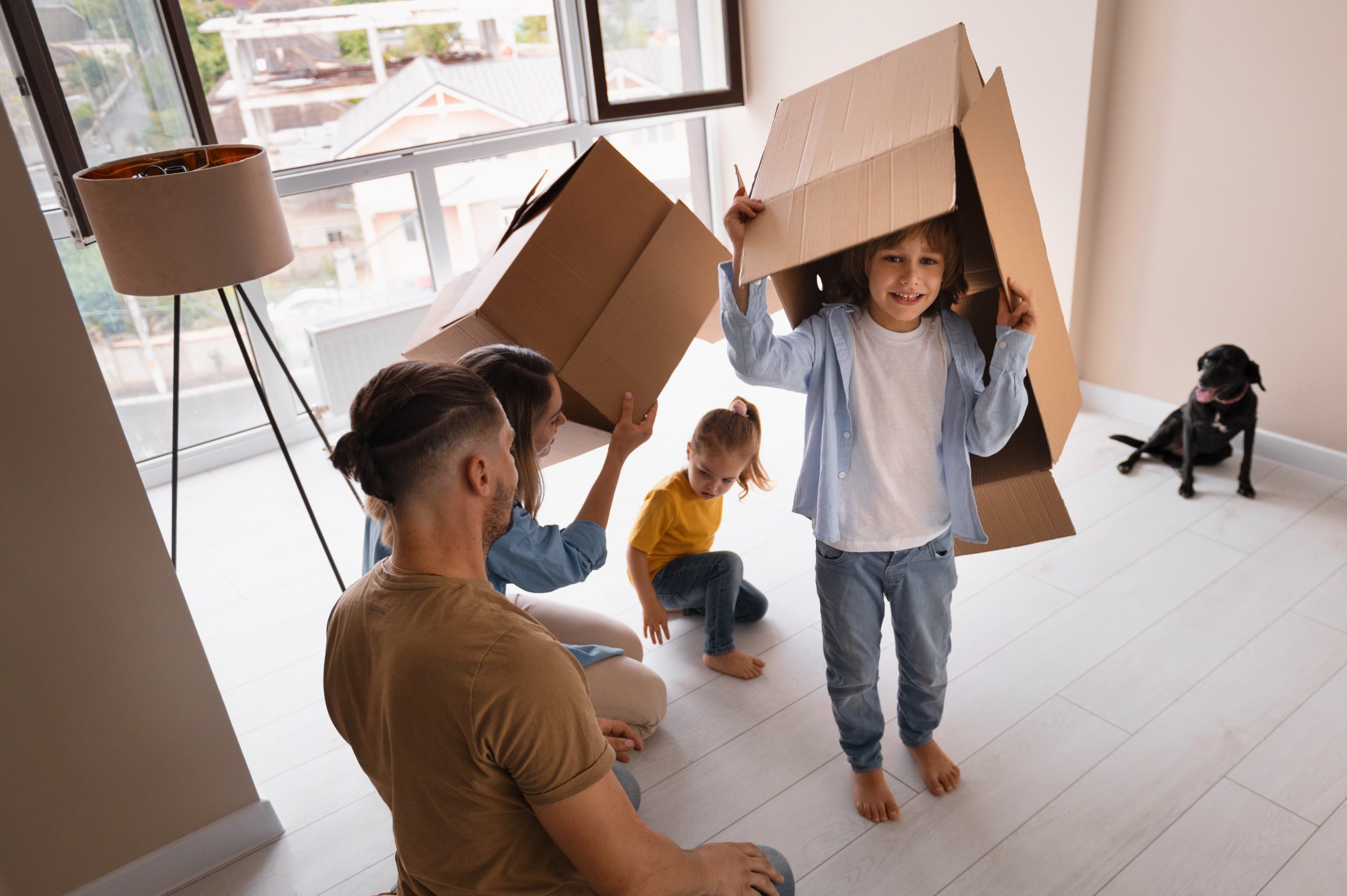
A successful family move isn’t improvised: it’s built as a team. Even if you take the lead, it’s essential to involve every member in the key decisions. Call a small family meeting where, over a coffee, everyone can share their concerns and ideas. Children can decorate boxes with their names, older relatives can point out which belongings matter most to them, and teenagers can take charge of sorting the tech and gadgets.
This collaborative approach encourages shared responsibility and makes it easier to create a personalised moving plan. It also gets everyone emotionally on board, strengthening family bonds and reducing the sense of chaos that so often comes with a move.
Adjust the schedule to your family’s rhythm
Rather than imposing a rigid schedule, adapt the dates and times of each task to your family’s natural rhythm. If your children are in school in the morning, reserve that window for the packing tasks that require the most concentration. In the afternoons, plan lighter activities, like labelling boxes or clearing empty shelves. If you have work commitments or medical appointments, avoid scheduling the move on those days so nothing overlaps.
You might even consider splitting the move into phases: a first one for the essentials (clothes, kitchen, documents) and a second for everything else. That way, your family can settle into the new home quickly and keep part of their routine while the rest arrives.
Organising the space: priorities and family zones
One advantage of careful planning is that you can map out the layout of your new home before anything arrives. To do this, sketch a simple floor plan of each room and mark the priority areas. Where will the parents’ main bedroom be? What will the children’s play or study space look like? Is there a reading or relaxing corner for the grandparents? Assigning these areas in advance lets you label boxes by destination room and makes unpacking far easier.
This method organises your family’s arrival, giving everyone a familiar environment from day one. It also helps the moving crew place each box where it belongs, avoiding wasted time and confusion.
Packing tailored to each family member
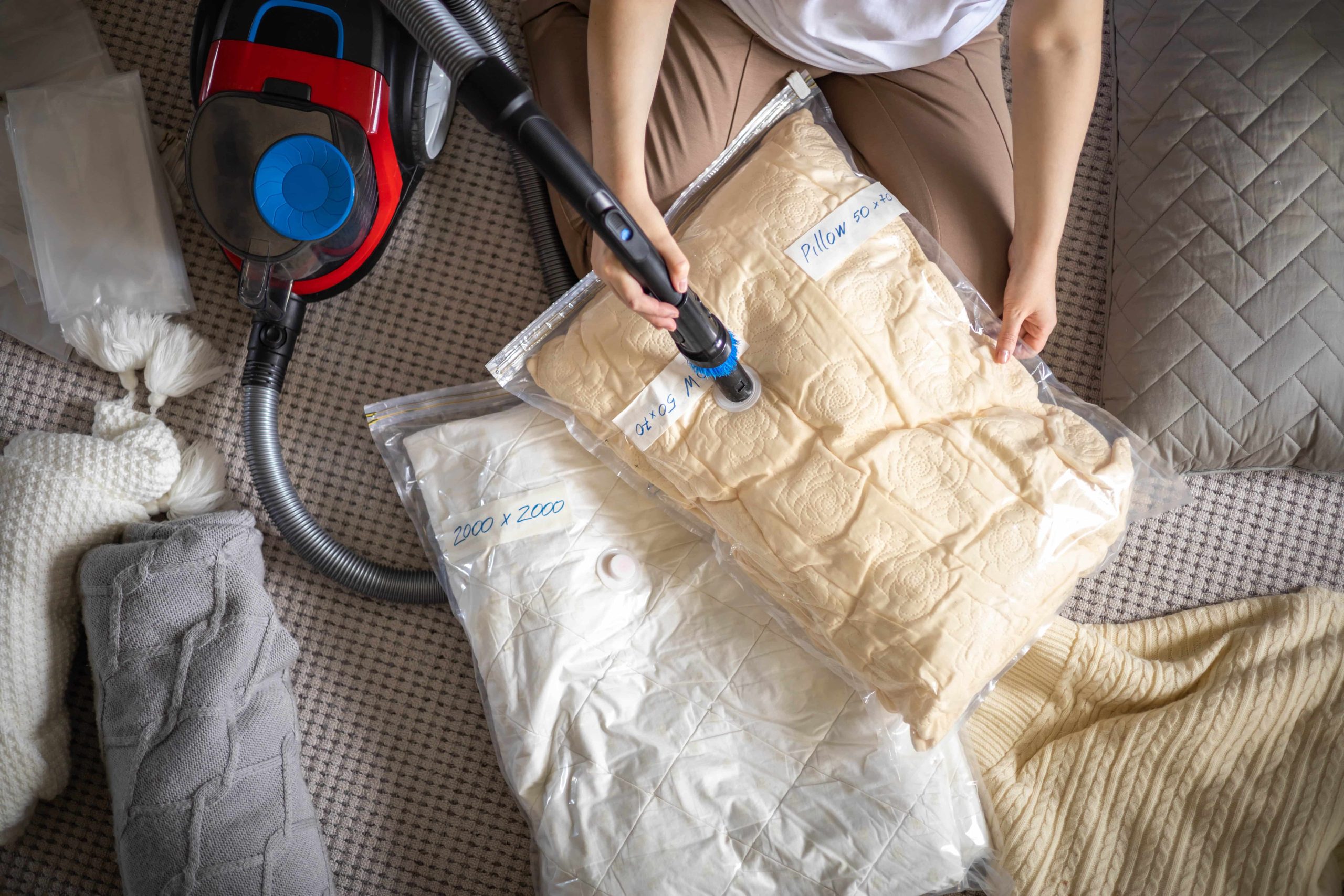
Not every box calls for the same kind of packing. For fragile items with sentimental value —such as photographs, childhood keepsakes or handmade pieces— use extra protective materials and label them clearly as “fragile” and “high sentimental value”. For clothing, choose reusable bags that can double as a backpack for the first day. Children’s toys can go into clear containers so the kids can spot their own belongings.
Get each person involved in packing their own things. This not only ensures personal belongings get the right care, but also helps your family prepare emotionally for the change.
Take care with sentimental belongings
Items that hold family memories deserve special treatment. Before the move, hold a review session with your family: together you’ll decide what to keep, what to digitise and what to donate. By digitising old photos and documents, you preserve the memory without hauling around stacks of paper and albums. For the physical pieces you decide to bring, use extra padded packing and keep them close to you during the move.
This attention to detail strengthens emotional bonds and spares you the heartache of losing a cherished item to damage.
Temporary storage solutions
Your new home may not be 100% ready to receive all your belongings on the same day. In that case, you can turn to temporary storage solutions. Choose a nearby storage facility that offers flexible access and ideal conditions: climate control, 24/7 monitoring and easy loading and unloading.
By separating the essentials from the rest, you record in your inventory what stays in storage and what travels to the new home. With that clarity, you avoid confusion and ensure the move doesn’t disrupt your family’s routine.
Managing pets and children during the move
Children and pets sense stress and change, so they need specific attention. For the little ones, set up a safe room with toys, blankets and water where they can stay while the adults work. Consider hiring a sitter or leaving them with relatives on moving day.
For pets, give them a space with their bed, food bowl and toys. A professional pet transport service or a specialised boarding facility may be the calmest option for them.
By ensuring a familiar environment, you’ll prevent anxious behaviour that could complicate the logistics.
Choosing a moving company: family-friendly services
Not every moving company takes a family-friendly approach. You need professionals who understand your priorities: access for prams, assistance for people with reduced mobility, extra packing for children’s items and flexible scheduling.
Mudanzas Trallero, for example, offers dedicated plans for families, with crews trained in a warm, personal approach, tailored packing and personalised follow-up on every move. By choosing a specialist provider, your family will notice the difference in care and peace of mind.
Clear communication with the company and the crew
From the very start, keep an open line of communication with your move coordinator. Provide a detailed list of the boxes, valuables and any special needs your family has. Arrange a pre-move visit to the new home to clarify access points and spaces.
This smooth communication prevents surprises and ensures that both you and the company are aligned for moving day.
Technology at the service of your family move
These days there are mobile moving-management apps that let you create lists, assign responsibilities and track packing progress in real time. Use these tools to involve every family member: they can tick off completed tasks and get reminders about their own responsibilities.
In addition, some companies offer GPS vehicle tracking, which gives you peace of mind by letting you know exactly where your belongings are.
Managing stress and emotional well-being
Moving brings tension and nerves. To protect your family’s emotional well-being, build in short breaks for rest and downtime throughout moving day. Plan a special snack or a meal together as a transition ritual.
If you notice unease in anyone, take a moment to talk and reassure them. The confidence and calm of the adults directly influence the children’s emotional stability.
Keep family routines during the move
Even though the move temporarily disrupts normality, try to maintain essential habits: mealtimes, rest and favourite activities. This gives the little ones a sense of security and helps the adults keep a feeling of control.
Flexibility is key: if something doesn’t go as planned, adapt the routine without losing sight of your top priority, caring for your family.
Settling in and adapting to the new home
Once the truck arrives, direct the unloading so you set up the essential areas first: kitchen, bathrooms and bedrooms. That way, your family can settle in comfortably from day one. Label the boxes according to your earlier plan and give each person responsibility for their own area.
This way, your home will quickly come to life, and everyone will have their own defined space to feel secure.
Post-move tips for family integration
After the move, take time to explore the new neighbourhood with your family. Seek out parks, grocery shops and leisure spots. Organise a little outing so the children can discover their new surroundings and make friends.
Settling in also means creating new routines: an evening walk together or a weekly snack at the park. These moments of connection will reinforce a sense of belonging and make everyone feel at home.
Start your family-focused move today
Tailoring a move to your family’s needs is an act of care and foresight. From the initial planning to the last unpacked box, every decision counts. If you want to entrust this process to professionals who understand how much your family matters, at Mudanzas Trallero you’ll find a team committed to making your move efficient, safe and, above all, designed around all of you.