
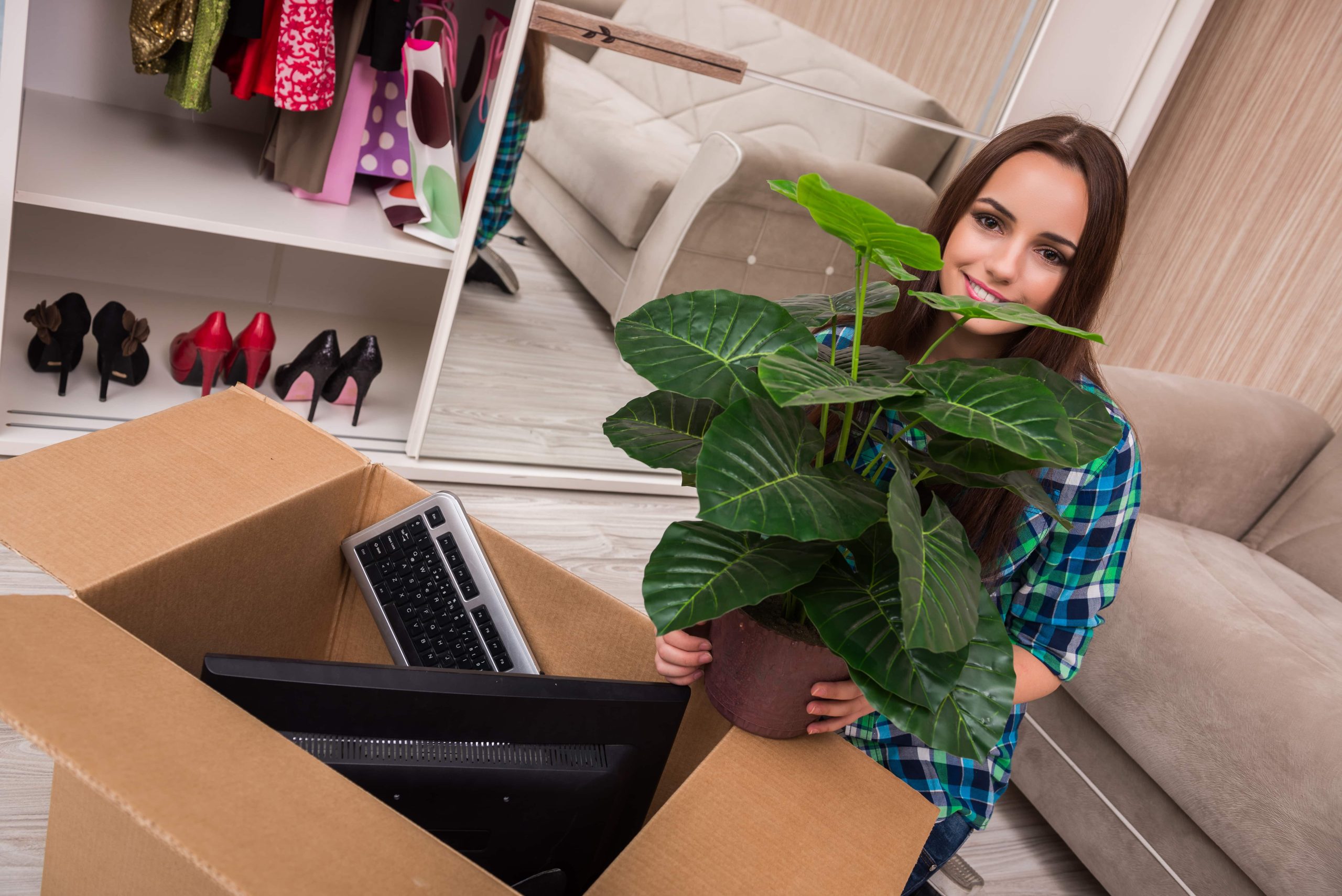
Houseplants don’t just decorate your home; they also bring freshness and a sense of well-being. When it’s time to move, though, transporting them can be a real challenge. Unlike other belongings, plants are living things that need special care in transit to prevent damage and make sure they arrive in perfect condition at their new home.
If you’re worried about how to move your houseplants without harming them along the way, this article offers a complete guide with tips and strategies to make the move safe and straightforward.
1. Why Do Plants Need Special Handling?
Unlike furniture or appliances, plants are fragile and sensitive to changes in their environment. Factors such as movement, temperature and lack of light can all affect them.
The main risks when moving houseplants are:
- Stress from the change of environment, which can cause leaves to wilt.
- Root damage if the pot is knocked or broken.
- Loss of leaves and flowers from rough handling.
- Dehydration if they go too long without water.
To avoid these problems, plan your move ahead of time and use the best packing and transport techniques.
2. Getting Ready: How to Prepare Your Plants Before the Move
A successful move starts with good preparation. Follow these steps to make sure your plants are ready for the trip:
2.1. Trim the Plant Down (If Needed)
If your plants have long or bushy branches, prune them lightly a few weeks before the move. This makes them easier to handle and reduces the risk of snapped leaves and stems.
2.2. Swap Fragile Pots for Sturdier Ones
If your plants are in ceramic or terracotta pots, move them temporarily into plastic pots to avoid breakage. Store the original pots separately and protect them with bubble wrap.
2.3. Check and Clean Your Plants
Before the move:
- Remove dry or wilted leaves.
- Check for pests.
- Wipe dust off the leaves with a damp cloth.
2.4. Adjust Watering to the Weather
- For a summer move, water the day before so the plant has enough moisture.
- In winter, avoid watering right before the move so excess water doesn’t freeze in the cold.
3. Packing Methods for Moving Houseplants
Proper packing protects plants from knocks and sudden movements. There are different methods depending on the size of the plant and the type of pot.
3.1. Small Potted Plants
- Place each pot in a sturdy cardboard box.
- Fill empty gaps with newspaper or foam so they don’t shift.
- Punch holes in the box for ventilation.
3.2. Medium and Large Plants
- Wrap bubble wrap around the pot to protect the roots.
- Use a large box the whole plant fits into and add padding at the base.
- If the plant is very tall, cover it with a lightweight fabric bag to protect the leaves.
3.3. Hanging Plants
- Gently tie the stems with tape or string so they don’t tangle.
- Use tall boxes to keep them upright and prevent the leaves from bending.
3.4. Cacti and Succulents
- Wrap each pot in bubble wrap.
- Put each plant in its own small box so they don’t damage one another.
- Wear thick gloves when handling cacti to avoid the spines.
4. Transport: Making Sure Your Plants Arrive in Good Shape
Once packed, the next step is to make sure transport is safe and plant-friendly.
4.1. Don’t Put Plants in the Moving Truck
Plants shouldn’t travel with furniture and appliances, as they could get crushed or exposed to extreme temperatures. Ideally, carry them in your own car.
4.2. Keep Them Upright
Place the plants on a flat surface inside the car and make sure they can’t tip over or fall during the drive.
4.3. Manage the Temperature
For a winter move, keep plants away from extreme cold. Use blankets to cover them and protect the leaves.
In summer, don’t leave them in the car in direct sun, and make sure they get fresh air.
5. Arriving at Your New Home: Settling In and Aftercare
Once you’ve moved, it’s essential to let your plants adapt gradually to their new surroundings.
5.1. Let Them Rest Before Watering
Plants may be stressed from the trip, so wait 24 hours before watering to let them settle.
5.2. Find the Right Spot
Check whether the new space has more light or more shade than their old location, and place them somewhere with similar conditions.
5.3. Don’t Fertilize Right Away
Wait at least a week before applying fertilizer. For the first few days, give them only water and suitable light.
5.4. Watch Them Over the First Few Weeks
Drooping leaves or slow growth can be signs of stress. Give them time to recover and keep up a consistent watering routine.
Trust Mudanzas Trallero to Move Your Plants Safely
If you have a collection of houseplants and want to make sure they arrive safe and sound at your new home, Mudanzas Trallero offers specialist solutions.
✔ Experts in handling and moving delicate items such as plants.
✔ Safe packing and transport methods.
✔ Personalized advice to keep your plants healthy.
Ready for a stress-free move? Visit Mudanzas Trallero and discover how we can make your move organized, efficient and secure.




