Moving house is never simple, but when you have to do it in the height of summer, the challenge grows exponentially. High temperatures can turn every box into a little oven and every step into a constant physical test. That said, with proper planning and a few key strategies, you can tackle your summer move far more comfortably and safely. In this article you’ll discover practical techniques to minimise the effects of the summer heat during your move: from choosing the right hours to protecting your belongings and the health of everyone involved. It’s all explained in a friendly, one-to-one tone, so you feel supported at every step and can put these tips into practice right away.
Plan Your Move Around the Coolest Hours
The first golden rule for avoiding intense heat is choosing the right time of day for the most demanding tasks. Between noon and 4 p.m., the sun is usually at its highest and the radiant heat reaches levels that are hard to bear. That’s why you should organise the move so most of the physical work happens in the early morning and late afternoon, avoiding the hours when the thermometer peaks.
If you’re the one hiring the removals service, ask Mudanzas Trallero to schedule the truck’s departure and most of the loading between 6 and 10 a.m. That way you make the most of the cool early hours. Once the sun starts to beat down, you can pause to rest and resume around 6 p.m. This schedule also applies if you have help from friends or family: plan the toughest efforts for the milder hours and save the afternoon for light tasks, such as labelling boxes or checking documents.
On top of that, choose a day of the week when the average temperature tends to be lower. In many cities, Mondays and Tuesdays usually record slightly lower values than weekends, when traffic and the urban environment build up more heat. A detail like this can make all the difference to how tired you get and how quickly you make progress.
Protect Your Belongings from Heat and Humidity
Heat doesn’t only affect people, it can also damage your most valuable items. Things that are sensitive to high temperatures, such as wooden musical instruments, artwork, or electronics, need special packing. Before you start, identify every fragile item or anything that heat can spoil, and plan packing that keeps it at a stable temperature.
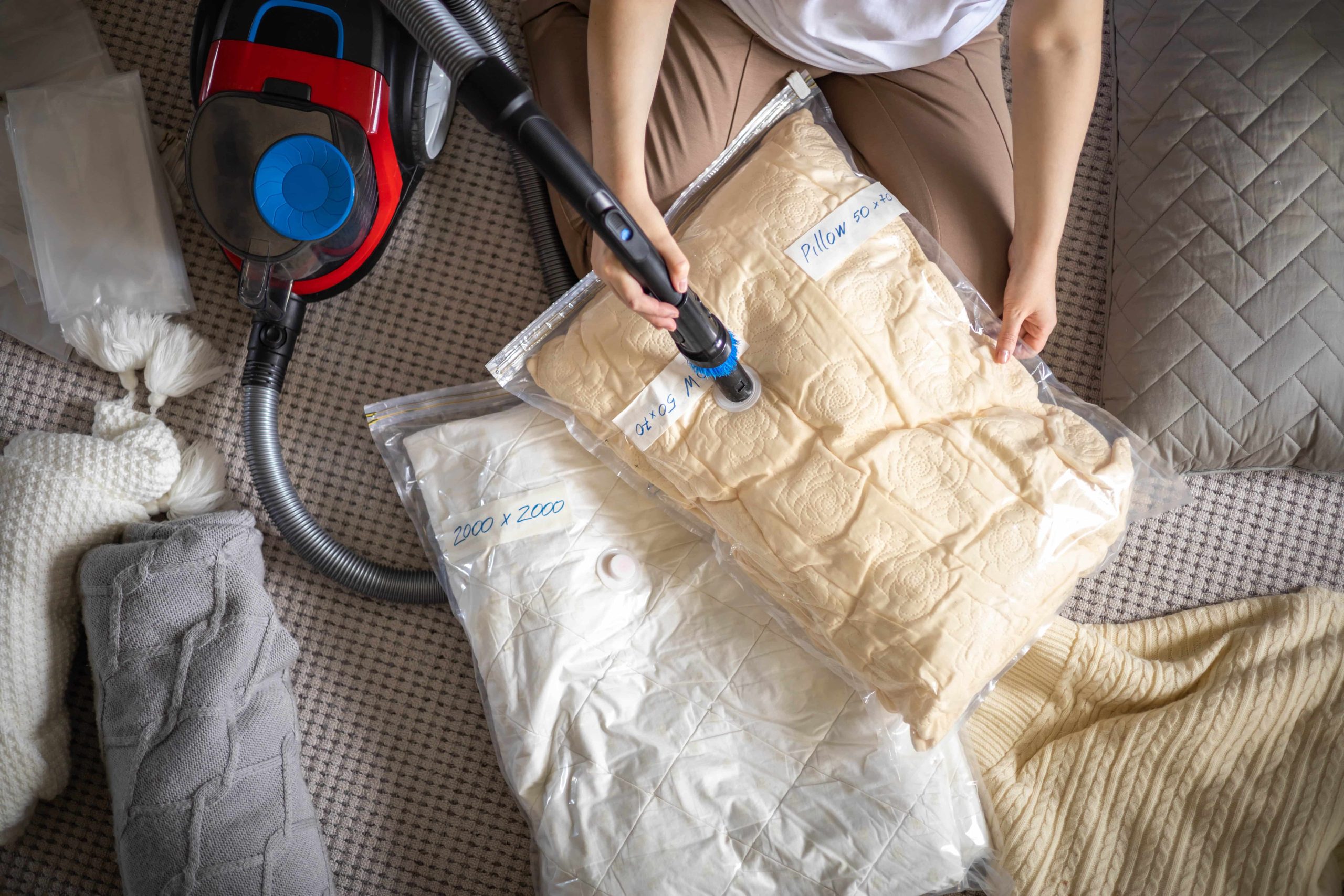
For wooden furniture and antique pieces, use breathable moving blankets instead of plastic. Blankets not only prevent scratches, they allow air to circulate and reduce the risk of internal condensation. If you’re storing books or important documents, place them in sturdy cardboard boxes and add silica gel sachets inside each box to absorb moisture. For electronics, enclose each piece in a foam sleeve and add desiccants too, keeping the plastic from sticking directly to the device.
If you’re planning to move items into a storage unit, check that the facility has temperature and humidity control. A climate-controlled unit prevents long-term damage and keeps your belongings in top condition. Mudanzas Trallero offers storage unit options with climate systems that keep the environment between 18 °C and 22 °C (around 64–72 °F), ideal for preserving wood, glass, and electrical equipment.
The Right Clothing and Footwear for the Move
What you wear during a summer move directly affects your comfort and physical stamina. Avoid thick cotton garments or synthetic fabrics that trap sweat and increase the feeling of heat. The ideal choice is lightweight short-sleeved T-shirts in light colours that reflect sunlight. Chafe-resistant shorts are a great option, since they allow more ventilation and freedom of movement.
As for footwear, choose trainers with non-slip soles and heel support. They should fit well to keep your feet from slipping as you carry boxes up and down, while also letting air circulate to keep your feet cool. Avoid sandals or flip-flops, as they don’t offer the protection you need and increase the risk of injury when carrying heavy items.
To protect your head, wear a wide-brimmed cap or a lightweight fabric hat. That way you keep the sun off your face and guard against sunstroke. Ventilated work gloves are also essential: they protect your hands from cuts and burns while keeping some airflow so sweat doesn’t build up and weaken your grip.
Choose Packing That Can Withstand High Temperatures
Packing your belongings in summer has to withstand not only weight and rough handling, but also the summer heat. Double-wall cardboard resists deformation better than single-wall, so it’s the recommended choice for boxes holding heavy or fragile items. If you store those boxes in a truck under the sun, the double wall helps hold their shape without crumpling.
Instead of conventional bubble wrap, which can slightly melt when exposed directly to high temperatures, go for expanded foam moulds or foam-rubber panels. These materials cope with heat better and, at the same time, offer superior cushioning. If you don’t have access to these materials, recycled kraft paper is an affordable, breathable alternative that protects without holding too much heat.
To seal boxes, use kraft packing tape with plant-based adhesive. Unlike plastic tape, kraft tape doesn’t peel off in the heat and is fully recyclable. In addition, if you need to reinforce corners or edges, use sturdy cardboard corner protectors, which distribute weight better and keep edges from breaking when boxes are stacked in a hot truck.
Scheduling Breaks and Rotating Tasks
Working non-stop under the sun is a sure recipe for exhaustion and heatstroke. To avoid this, plan scheduled breaks every 45–60 minutes, during which the whole team gathers in a shaded area or an air-conditioned room. Use that time to hydrate, have some refreshing snacks, and adjust the workload.
Rotating tasks is another essential strategy. Instead of one person loading and unloading heavy boxes for hours, alternate roles: while one carries items, another arranges them inside the truck, and a third supervises. Sharing roles this way reduces individual physical stress and keeps everyone cooler, since each person gets more frequent breaks.
If you work with the professionals at Mudanzas Trallero, they usually have rotation and break protocols that safeguard the team’s wellbeing. Give them time and space to rest out of the heat and get going again with renewed energy. Skipping these breaks will cost you efficiency and put your health and everyone else’s at risk.
Ventilation and Cooling the Space
Even if you’re outdoors, creating air currents helps you dissipate body heat. If you’re working inside the home, use every window to generate cross-ventilation. Open windows at opposite ends of the house so air can flow through. If you have fans, place them strategically: behind the loading and unloading area to push hot air away. In smaller rooms, an oscillating pedestal fan works wonders to cool the environment.
If the move involves working inside a truck or van without air conditioning, consider buying small battery-powered portable fans you can place near the load. These fans don’t lower the temperature, but they help refresh the air and reduce the perceived heat by creating a breeze.
Another simple trick is to dampen towels or cloths and hang them in doorways or windows. As air passes through these damp fabrics, it creates an evaporative cooling effect. Place the towel somewhere it won’t wet the floor to avoid slips, and swap it for another damp one when it warms up.
Use a Removals Service Geared Towards Extreme Heat
Choosing your removals company has a decisive impact on how you handle the summer heat. Some providers, like Mudanzas Trallero, have specific protocols for summer moves:
- A fleet of vehicles with cab air conditioning and forced ventilation in the cargo area.
- Crews trained in breaks, hydration, and coordination during the hottest months.
- The option to transport temperature-sensitive items in climate-controlled units.
- Shorter route planning and strategic stops to reduce exposure time.
Ask Mudanzas Trallero to go over each stage of the move with you, from pickup to delivery, and to include temporary shelters where key furniture or boxes can be cooled before being brought into your new home. Having well-prepared professionals takes part of the worry off your shoulders and lets you focus on personal details, such as the emotional and family side of settling in.
How to Protect Floors and Walls from Heat and Dirt
During a move, it’s common to use shared hallways and stairs, and in summer these spaces can trap heat. To keep floors and walls from building up sweat marks, fingerprints, and dust, lay down temporary protectors. Breathable plastic sheeting and cardboard sheets are ideal for covering hallways and landings, keeping sweat and dirt from damaging parquet or tile.
If you’re carrying heavy furniture down stairs, line railings and door edges with foam protectors. This not only prevents scratches but also softens the heat, since metal surfaces tend to heat up in the sun and can burn you on contact. Swapping conventional adhesive tape for high-quality painter’s tape makes organising the space easier afterwards, as the tape peels off without damaging finishes or leaving residue.
When you reach your new home, set up the unpacking area in a well-ventilated space. If the home doesn’t have air conditioning yet, open several windows to create air currents and use powerful fans. Once the essential boxes are unloaded, close doors and windows at the back of the house to hold the cool air longer.
Organising and Labelling to Minimise Heat Exposure
Reducing heat exposure means making the most of every second you spend loading and unloading items. To do that, plan each box with clear labels and a priority scheme:
- Orange box (High priority): essential items that should go straight inside the home and be unpacked first (clothing, kitchen utensils, medicines).
- Yellow box (Medium priority): items that can be left in an intermediate area or a large cupboard (towels, bed linen, books).
- Green box (Low priority): items that can be stored in a garage, basement, or storage unit (decorations, small furniture, seasonal items).
This colour system speeds up the removals team’s work, as they know which box goes to which part of the house, avoiding needless back-and-forth that prolongs heat exposure.
On top of that, group boxes by destination room, so you don’t open several doors looking for where to place each one. If the truck has side curtains, ask the crew to unload the lightest boxes first (clothing, decorations) and leave the heaviest for last, so no unnecessary loads pile up in the sun.
Mental Breaks and Active Pauses to Avoid Burnout
In a summer move, it’s not just your body that suffers, your mind gets overloaded too. To stay focused and avoid mistakes (like leaving doors open or tripping), plan mental breaks every two hours. During these breaks, stretch your back, arms, and legs to get your circulation going. A few simple neck and shoulder movements can prevent the muscle strain that, over time, slows you down and increases fatigue.
Another strategy is to alternate heavier tasks with lighter ones. For example, after several rounds of carrying boxes, spend fifteen minutes checking documents or organising materials in the truck. This change of mental activity improves your mood and reduces the feeling of heat, since your body uses less energy.
If you’re moving with family, agree on a shared rest period with a cold drink in a shady spot. This pause, however many minutes it lasts, boosts team morale and reminds you that the move is a team project, not an individual race.
The Benefits of a Full-Service Summer Move
Hiring a full-service move that accounts for extreme heat means handing much of the effort to professionals who know the best practices. Mudanzas Trallero, for instance, offers:
- Rest and mandatory break protocols for their staff during the hottest hours.
- Vehicles with cab air conditioning and, if needed, in the cargo area.
- A nearby storage unit to temporarily shelter heat-sensitive items while you organise the home.
- Adapted tools, such as trolleys with heat-resistant wheels and specific blankets to preserve furniture.
By trusting a provider like this, you reduce the risk of injury, boost efficiency, and ensure your belongings arrive at their destination in perfect condition. Plus, by integrating storage unit services, the most delicate items can stay safely stored while you finish setting up your new home, keeping them from suffering heat damage on the final stretch.
Final Thoughts and Extra Tips for a Healthy Move
Moving in summer doesn’t have to be a nightmare. With the right planning and tools, you can turn this task into an organised and even, why not, satisfying experience. Run through this quick checklist before you start:
- Schedule your heaviest effort between 6 and 10 a.m., and leave light tasks for the afternoon.
- Keep hydrating constantly (water, sports drinks, and fresh fruit) to avoid cramps and dehydration.
- Protect your sensitive belongings with heat-resistant packing and store critical items in a climate-controlled storage unit if you need to.
- Wear lightweight clothing, non-slip trainers, and sun protection to keep your body cool.
- Split loads into small, sturdy boxes, labelled with a colour code to speed up unloading.
- Take mental breaks and active pauses to keep your mind sharp and avoid mistakes.
- If you hire a professional service, insist on summer-specific protocols: climate-controlled vehicles, mandatory breaks, and storage unit access.
When you bring in these tips, your summer move becomes a series of controlled stages rather than a race against the thermometer. You and your team can progress step by step, with breaks to cool down and recharge, until you reach your new home with everything in good condition.
Trust Mudanzas Trallero for Your Summer Move
To make your summer move truly stress-free and handled to professional standards, I invite you to explore the services of Mudanzas Trallero. Discover how their experience with extreme-heat moves and their full-service solutions, including a storage unit and climate-controlled transport, will make your relocation as refreshing as an oasis in the middle of a heatwave.