
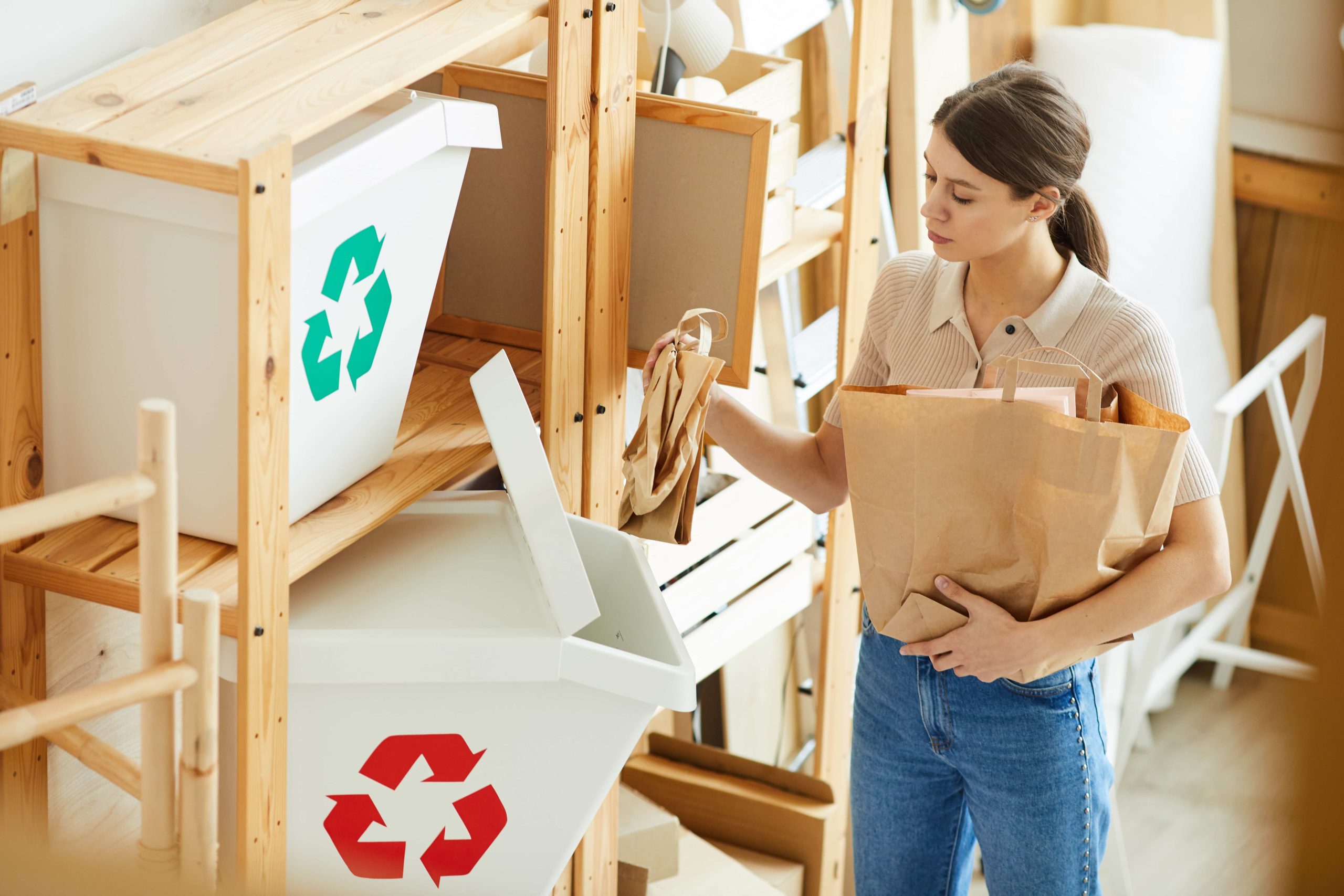
Moving house is usually an exciting experience, full of fresh-start promises. That said, it also eats up a lot of resources: cardboard boxes, bubble wrap, trucks running on fossil fuel, and trips that generate CO₂ emissions. Did you know you can cut that environmental impact with a few simple decisions? In this article you’ll discover how to make your move more sustainable by using eco-friendly materials and adopting practices that look after the planet. We’ll cover everything from choosing reusable packaging to techniques for optimising transport, always in a down-to-earth, one-to-one tone and with practical ideas you can apply on your next relocation.
By choosing a sustainable move, you not only help the environment, you can also save time and money in the long run. Throughout these pages we’ll talk about the most responsible materials, how to reuse things you already have at home, and how to plan each step to minimise waste. If you’re concerned about the ecological footprint of your move and want to contribute to a greener future, come along on this practical guide.
Use What You Already Have and Cut Down on Boxes
Before buying new packaging, check what materials you already own: suitcases, backpacks, wicker baskets, or even cloth bags can all work as containers for your everyday items. For clothing, for instance, simply pack it into wheeled suitcases or sturdy fabric bags, avoiding the need to buy extra plastic bags or cardboard boxes.
Wicker or hard-plastic baskets and bins, if they’re in good shape, can carry books, toys, or kitchen utensils. This not only reduces the number of new boxes you need, it also makes loading and unloading easier, since these containers often have ergonomic handles. If your friends or family have gear like this, borrow it and return it once the move is done; that way you avoid wasting materials and strengthen community cooperation along the way.
For fragile items, reuse paper you already have at home: old newspapers, magazines, or flyers can be rolled up and used as padding to protect mugs, glasses, and crockery. This method recycles materials that would otherwise end up in the bin and saves you from buying bubble wrap.
Choose Recycled and Reusable Cardboard Boxes
If you do need new boxes, go for ones made from 100% recycled cardboard and, ideally, recyclable themselves. Double-wall boxes offer more strength and can be reused several times. Before tossing them out, check whether they still hold their shape: fold marks and tape reinforcements mean they can still serve for another move or for storage. If you work with Mudanzas Trallero, ask about their eco-friendly boxes; many removals companies offer reusable packaging you can rent by the day or week.
When you unpack, take boxes apart carefully to keep their original shape and store them flat and stacked. Use a box cutter to remove the adhesive tape without tearing the main flap. Keep those boxes in a storage room or a corner of your new home for when you need to move again or for temporary storage. This approach extends the life of the cardboard and keeps it from becoming needless waste.
Use Biodegradable Filler Materials
Bubble wrap is effective, but it generates a huge volume of waste that takes decades to break down. As an alternative, use biodegradable filler materials: kraft paper shreds, cellulose fibre, or even strips of cut cardboard. Kraft paper is made from unbleached wood pulp and is fully compostable. To get hold of it, check packaging shops or eco-stores, where it’s sold in rolls at a good price.
You can also use old rags, towels, and spare bed sheets to wrap fragile items. These fabrics not only cushion against knocks, they’re washable and reusable. If you have T-shirts or blankets you no longer use, cut them into strips and use them as protective wrapping for vases and glassware. After the move, you can donate these fabrics or recycle them naturally, avoiding a build-up of plastic waste.
Labelling and Organisation: Minimum Consumables, Maximum Efficiency
So you can reuse boxes and materials on future moves, clear labelling that doesn’t damage the cardboard or recyclable materials is essential. Instead of plastic adhesive tape, choose self-adhesive paper labels or eco-friendly permanent markers. Be sure to write the contents and destination room on the outside of each box: this organisation saves you time when unpacking and cuts down on opening multiple boxes to find a single item.
If you include recycling instructions on each box, such as “Paper” or “Textiles”, you’ll help family and friends dispose of the materials correctly once they’re used. On top of that, mark boxes with a different colour for each room: blue for the kitchen, green for clothing, yellow for books, and so on. That way, even the people helping you can route each box to the right place in your new home without constantly asking.
Encourage Sharing and Material Swaps
Hunting for recyclable boxes and packaging can become an opportunity to foster neighbourly cooperation. Post in neighbourhood groups or on social media that you need boxes, paper bags, or sturdy blankets for your move. Many people will happily pass on packaging they no longer use. In return, you can offer your own materials down the line, or even assembly and disassembly help, setting up a swap system that strengthens the community.
These collaborations reduce waste and keep packaging out of landfill while it’s still in good condition. They also let you save on materials and make the whole operation more sustainable.
Optimise Transport: Fewer Trips, Fewer Emissions
One of the most effective ways to reduce your move’s environmental footprint is to optimise the truck or van trips. The more space you use on each trip, the lower the fuel consumption per cubic metre moved. To do this, arrange boxes strategically: load what you’ll need least right away first, and the essentials last. This cuts down on back-and-forth trips.
When organising your move with Mudanzas Trallero, ask whether they offer low-emission or alternative-fuel vehicles. Many operators run fleets powered by compressed natural gas (CNG) or hybrid engines, which significantly cut CO₂ emissions. It also helps to plan the route so you avoid traffic jams and congested stretches, since slow speeds increase fuel consumption.
If you’re only moving a short distance, consider hiring a shared van. Some services let you group together moves from neighbours with matching dates and areas, reducing individual costs and collective emissions.
Packing Furniture and Large Items with Sustainable Materials
For bulky furniture like sofas, tables, or wardrobes, plastic tends to be the go-to protective material, but there are greener alternatives. Use reusable fabric covers or cotton moving blankets. These blankets, while you can buy them, pay for themselves over several uses and, being made of natural fibres, are recyclable at the end of their life.
If you want an extra barrier against moisture, place kraft paper or corrugated cardboard between the blanket and the furniture, avoiding plastic. To secure the blankets, use fabric strips or pieces of an old belt that you can cut from unwanted items. That way you skip plastic tape and reduce your use of single-use materials.
Mirrors, pictures, and glassware should be wrapped in newspaper or corrugated cardboard sheets. If you have clip hangers, use them to hang mirrors securely inside the truck, reducing the space taken up and the need for extra padding.
Dispose of What You’re Not Taking Responsibly
A move is an excellent chance for a thorough declutter. Go through your belongings carefully and set aside what you no longer use: out-of-season clothes, books you won’t read again, spare kitchen gear. Donate what’s in good condition to charities or swap it on second-hand apps. Often, items that no longer have value to you can be appreciated by someone else.
Items that can’t be reused should be taken to your local recycling centre, where they’ll be processed properly. If you have electronics, lighting devices, or batteries, drop them at the appropriate recycling point; mishandling this waste can cause soil and water contamination.
This way you significantly reduce the volume of your move and avoid hauling useless materials. Adopting this practice also strengthens your commitment to the circular economy.
Minimise the Use of Paper and Printed Documents
Instead of printing forms, contracts, or moving instructions on paper, digitise everything you can. Use e-signature apps for contracts with your removals crew and share inventory lists in online documents. This frees up space in your boxes, reduces paper use, and lets you access the information from any device.
If you need handwritten notes, use recycled-paper notebooks or portable whiteboards you can wipe once you’ve used the information. When coordinating with Mudanzas Trallero, check whether they use digital systems to track your move, billing, and customer service. Many companies have gone fully paperless, offering a faster, more environmentally friendly service.
Eco-Friendly Cleaning After the Move
Once the move is done, your home may be left dusty and littered with packing debris. Instead of reaching for harsh chemicals, go for natural cleaners: water with apple cider vinegar is perfect for floors and glass, baking soda removes odours and stubborn stains, and lemon or lavender essential oils freshen the air naturally.
When sweeping or vacuuming, reuse cardboard scraps as compost bedding if you have a garden, or recycle the cardboard in its dedicated bin. Avoid scrubbing with abrasive pads that damage surfaces: a damp microfibre cloth is usually enough to remove dust and light stains. That way you leave your new home sparkling without polluting water or air with toxins.
Making the Most of Off-Peak Periods
Your moving dates and times also affect your ecological footprint. If you can move your belongings on lower-demand days, for example midweek or during the off-season, it’ll be easier to find available trucks and drivers, avoiding empty trips. High demand leads many companies to overload routes, which can mean higher fuel use and longer waiting times.
If your flexibility allows, choose dates near the end or start of the month, avoiding weekends and holidays when congestion peaks. Mudanzas Trallero tends to offer better rates during quieter periods and applies discounts in specific weeks. Taking advantage of these opportunities helps you move more sustainably and reduces your overall cost.
Final Thoughts and Tangible Results
Opting for a sustainable move means making conscious choices: using what you already have, cutting back on new materials, seeking out recyclable packaging, optimising routes, and working with professionals who share your commitment to the environment. If you apply these tips, you’ll not only reduce the amount of waste generated, but also your carbon footprint and the cost of the move.
We encourage you to measure the impact on your next move: keep a record of the volume of cardboard you reuse, the boxes you return or recycle, and the number of truck trips. You’ll see how much CO₂ you’ve avoided emitting and how much you’ve saved on materials. This data will motivate you to keep making responsible moves and will also let you share your experience with others, helping to drive a wider change in habits.
Drive Your Move Towards Sustainability with Mudanzas Trallero
If you’re looking for a partner that offers eco-friendly solutions and a full-service experience, visit Mudanzas Trallero. Discover how their reusable packaging, eco-efficient vehicle fleet, and responsible practices can turn your move into an environmentally friendly project, without giving up comfort or efficiency.




