
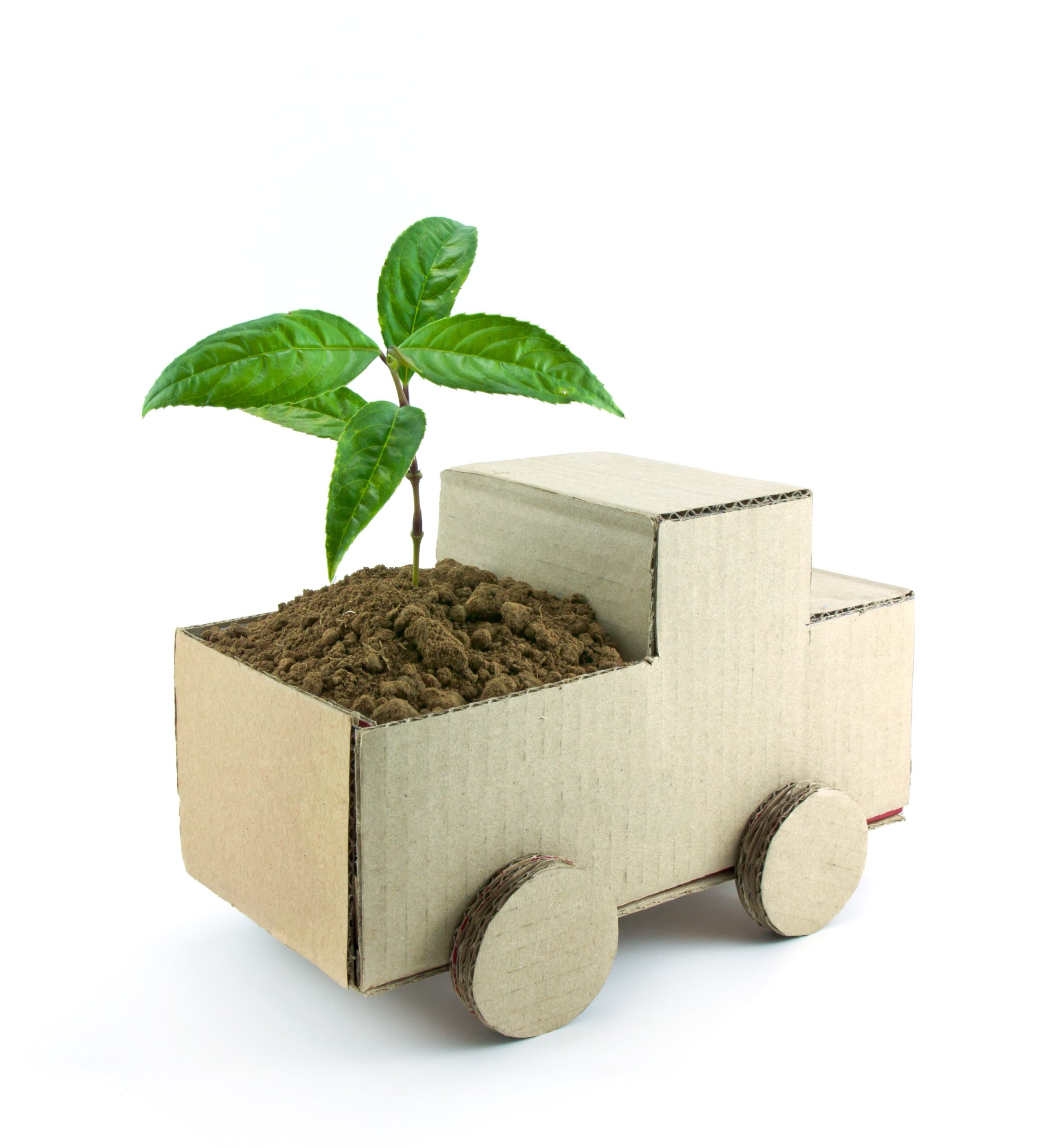
Spring is all about renewal: nature blooms, the days grow longer, and the air fills with positive energy. If you’re planning a move this season, you have the perfect opportunity to opt for more sustainable solutions that shrink your ecological footprint. Instead of resigning yourself to the usual picture of cardboard boxes and diesel trucks, why not use this time of year to turn your move into a green project? In this article you’ll discover practical, fresh strategies to make your move efficient, kind to the environment, and fully in tune with the spirit of spring.
From choosing packing materials to planning optimized routes and reusing resources, every step can become a mindful act that benefits both your wallet and the planet. Join us on this journey and learn to combine modernity, sustainability, and convenience in your next move.
Plan your move around spring light and weather
One of the first great allies of an eco-friendly spring move is the weather itself. With longer days and mild temperatures, you have room to schedule your activities in a way that minimizes the use of artificial lighting and portable heating or cooling. Organize the packing and furniture-disassembly stages during the middle of the day, making the most of natural light and cutting energy use. On top of that, by avoiding the hottest summer hours or autumn rains, you reduce the risk of damage to materials and the need for extra protective resources.
Spring is also a good time to negotiate flexible scheduling with the removals company so it fits your pace, avoiding traffic jams and improving transport efficiency.
Choose sustainable, reusable packing materials
Traditional cardboard and bubble wrap are practical, but they generate waste that takes years to break down. For an eco-friendly move, consider alternatives like reusable plastic crates, which you can rent by the day and return once you’re done. These crates, usually stackable and uniform in size, make loading and unloading easier and protect your items better.
Another option is to use fabric bags or thick cotton covers for clothing and bedding. Not only do you reduce box usage, but you make the most of textiles you already have at home. For fragile items, instead of plastic, use recycled kraft paper or old fabrics like blankets and towels. Every blanket wrapped around a vase replaces dozens of meters of bubble wrap.
Reuse and donate before you pack
A move is the ideal occasion for a genuine spring clean. Before packing, go through your home and set aside anything you haven’t used in a long time: books, clothing, small appliances, or kitchen utensils. Instead of storing or hauling it, donate whatever is in good condition to local charities, second-hand shops, or food banks.
For items that can’t be reused, look for recycling centers where you can dispose of electronics, batteries, and complex plastics. This upfront sorting not only reduces your moving volume but also keeps you from paying to transport things you don’t need.
Coordinate optimized routes and transport
Transport is one of the moving segments with the greatest environmental impact. To reduce it, negotiate the most direct route with the removals company and avoid intermediate trips. Some companies offer compressed natural gas (CNG) or hybrid-powered trucks, which pollute less than conventional diesel ones.
Another strategy is to combine your move with those of people nearby in both date and area, sharing part of the truck and cutting down on trips. There are collaborative logistics platforms that connect moving requests to optimize loads and routes.
Minimize harmful plastics and adhesives
Beyond bubble wrap, there are other items you can swap out to reduce toxic waste. Choose kraft paper tape, which is fully recyclable, instead of PVC tape. For sealing boxes, kraft tape with plant-based glue does the same job and doesn’t interfere with later recycling.
Plastic labels can also be replaced with paper labels or QR codes printed on recycled paper that link to a digital inventory. That way you avoid waste and simplify keeping track of your belongings.
Digitize your inventory and cut down on paper
Spring inspires lightness, and nothing is lighter than carrying a digital inventory. Instead of printing endless lists, use mobile apps that let you log each box with a photo and description. These apps send you notifications, help you assign destinations in your new home, and generate less paper waste.
On top of that, some tools let you share the inventory with the moving crew, making organization easier and avoiding mistakes that could lead to misdeliveries or losses.
Lean on professional services with a green approach
Not every removals company has an environmental conscience. Before hiring, look into whether they apply green policies: use of alternative fuels, responsible waste management, sustainable packing, or carbon-offset programs.
Some companies have already rolled out a mixed fleet with CNG vehicles, use 100% recyclable materials, and offer green rates that include emissions offsetting. Working with a provider aligned with your values guarantees a consistent, sustainable service.
Adapt your new home to spring sustainability
An eco-friendly move doesn’t end when the boxes are unloaded; it’s the start of your life in a greener setting. Install low-energy LED bulbs, set up clearly labeled recycling bins, and make the most of natural light by opening curtains and blinds.
Spring is ideal for adding indoor plants that improve air quality and boost wellbeing. You can also plan your furniture layout to encourage cross-ventilation and minimize the use of air conditioning.
Reuse leftover fuel and plan the loose ends
If you hire diesel transport, ask whether any fuel left over at the end of the service can be returned or put toward another trip. This keeps the diesel from being burned on unnecessary journeys.
Likewise, make use of any spare space in the truck to transport items for friends or neighbors who share your environmental commitment. That way you maximize the load and get the most out of every liter of fuel.
Managing leftovers and a toxin-free final clean
When your move wraps up, you’ll have waste from paper, scraps of tape, and protective materials. Organize separate collection for recycling, and if you need a final clean of your old home, use eco-friendly or plant-based products. Avoid harsh detergents that end up in the drains.
With this practice, you close the sustainable loop of your move and leave a positive mark.
A spring move in tune with nature: we’ll help you make it real
Spring invites you to renew not only your home but also the way you relate to your surroundings. By applying these green strategies, you turn a move into an exercise in responsibility and creativity, reducing waste, optimizing resources, and strengthening the bond with your community.
If you want to carry out a sustainable, professional move, backed by a team committed to the environment, Mudanzas Trallero offers green solutions, recyclable materials, and efficient transport so your spring move is as fresh as the season itself.




