Moving to a new home is always a mix of excitement, fresh starts and, let’s be honest, plenty of challenges too. One challenge you may not have considered is the impact your move can have on the environment. Every box you use, every trip you make and every decision you take along the way directly shapes the carbon footprint you leave behind. That’s why today we want to talk about how you can reduce the environmental impact of your move without giving up efficiency or convenience.
You may be surprised to learn that small gestures, mindful choices and the right partners can make a big difference. Stick with us, because we’re going to turn your move into a far more sustainable experience.
Why planning a green move matters
It all starts with planning. If you get ahead of things and organise every step of your move with sustainability in mind, you’ll cut your environmental impact considerably. From the materials you use to your transport logistics, every detail counts.
Planning ahead won’t just lower your stress levels; it will also let you choose more responsible solutions. For example, you’ll make better use of resources, avoid wasting materials and reduce the number of trips needed to move your belongings.
What’s more, when you plan with enough time, you can look for sustainable alternatives such as reusable boxes, trucks running on cleaner fuels, or even sharing transport with other people making similar moves in your area.
Reuse and choose sustainable packing materials
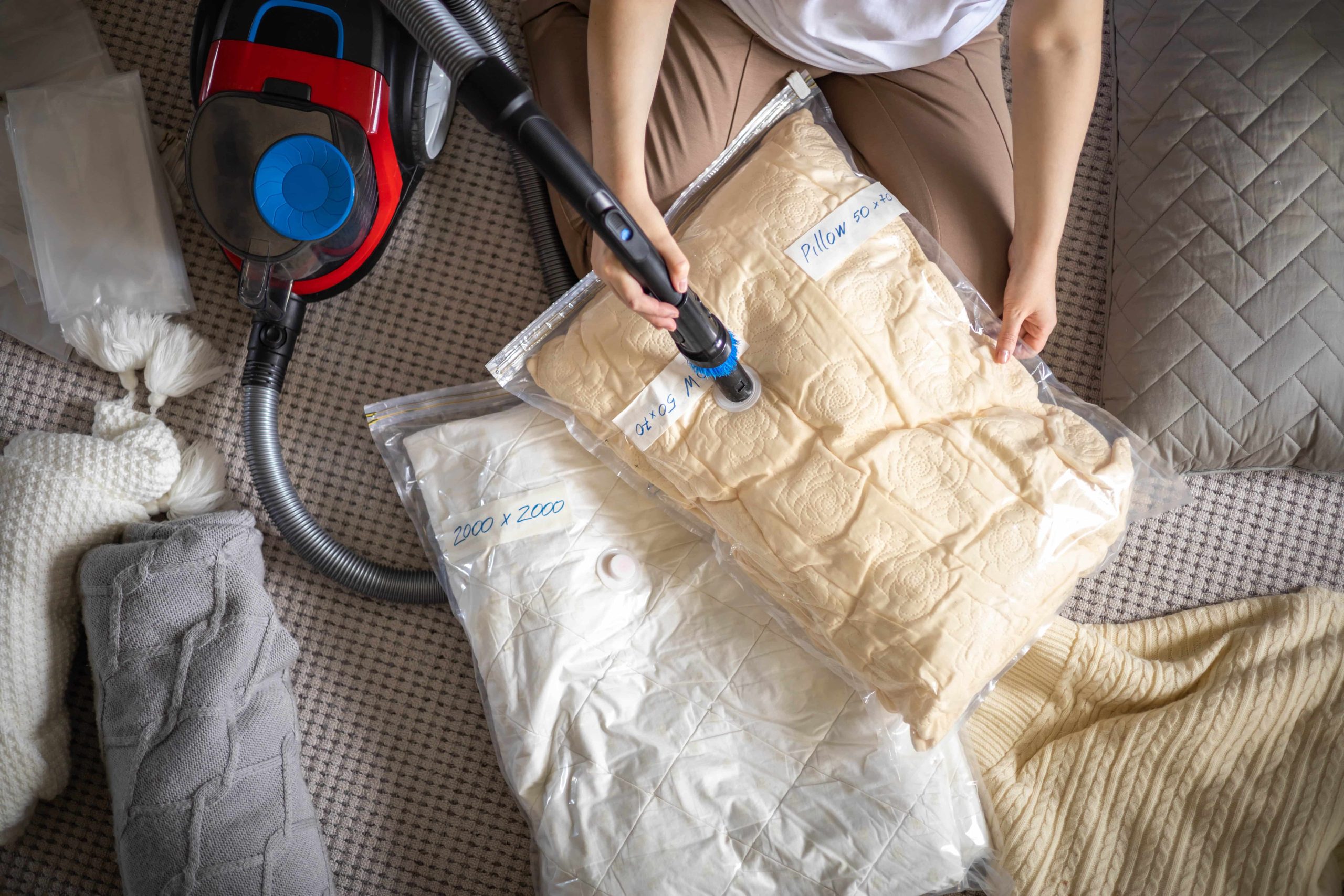
One of the biggest sources of waste during a move is packing. The amount of boxes, plastic, paper and filler typically used is staggering. But you can make a real difference by choosing reusable or recyclable materials.
For instance, instead of buying new boxes, reuse the ones you already have or ask friends, family or local shops to pass on any they aren’t using. There are even companies that rent out reusable crates made from durable materials, which dramatically cuts the need for single-use cardboard.
Avoid bubble wrap whenever you can. As an alternative, use blankets, towels, bed linen or even your own clothes to protect fragile items. You give them a double use and reduce the waste your move generates.
Also, remember to choose tape and labels made from recyclable or biodegradable materials. These are small gestures that, added together, make a big difference.
Keep trips to a minimum
One of the biggest sources of pollution during a move is transport. Freight vehicles, especially over long distances, release large amounts of CO₂ and other polluting gases. That’s why it’s essential to optimise every trip.
How can you do it? First, choose a vehicle that matches the volume of your belongings. A truck that’s too big for a small load wastes energy unnecessarily. On the other hand, a vehicle that’s too small forces you into several trips, increasing your carbon footprint.
If you can, group your move with other people’s to share transport and cut emissions. Some removals companies, such as Mudanzas Trallero, can offer sustainable logistics solutions and optimised routes to minimise your environmental impact.
Also, remember to plan the most direct route and avoid heavy-traffic hours, since traffic jams significantly increase fuel consumption.
Dispose of what you don’t need responsibly
A move is a great chance to declutter and reduce the number of items you need to transport. The less you take with you, the lower the resources and energy your move will consume.
Before you pack, make a detailed inventory and set aside everything you no longer use or need. But it isn’t just about throwing things away; it’s about doing it responsibly. Donate clothes, furniture and appliances in good condition to charities or recycling centres.
If you find items that can’t be reused, make sure you take them to a recycling point where they can be processed correctly. This way, you not only lighten your load but also actively contribute to the circular economy.
Lean on environmentally committed companies
Choosing a removals company that shares your green values is key to reducing the environmental impact of your move. Ask about their sustainability policies: do they use efficient vehicles? Do they offer sustainable packing options? Do they optimise routes?
Mudanzas Trallero, for example, understands this concern perfectly and offers solutions that reduce your move’s carbon footprint. Working with experts who prioritise sustainability helps ensure that every decision you make during your move is kind to the environment.
Don’t underestimate the power of choosing partners aligned with your goal of a greener move. These companies also tend to be better informed about best practices and can offer extra advice you may not have considered.
Go digital to cut paper use
During a move, it’s very common to use inventory lists, contracts and various printed documents that inevitably end up as waste. A simple way to reduce this impact is to digitise all of these processes.
Use mobile apps or digital documents to manage your inventory and keep track of your belongings. You’ll not only save paper but also keep all your information organised and accessible at any time, which makes planning and carrying out the move easier.
What’s more, if you work with a professional removals company, you can request that all contracts and invoices be electronic. That way you help reduce paper demand and maintain a more efficient, sustainable workflow.
Manage post-move waste properly
Once you’ve reached your new home and unpacked everything, you’ll be left with a sizeable amount of leftover material: boxes, packing paper, tape and more. This is where your commitment to the environment remains essential.
Take the time to sort this waste properly. If cardboard boxes are in good condition, you can keep them for future use or hand them over for recycling. Packing paper and other recyclable materials should go in the designated bins.
You can even give some of these materials a creative second life, reusing them for DIY projects or storage around the house. Every small action you take helps make your move truly eco-friendly from start to finish.
Get everyone around you involved
Reducing your move’s environmental impact isn’t something you have to take on alone. If family or friends are helping you, get them involved in your sustainable approach. Explain the importance of reusing materials, sorting waste properly and minimising plastic use.
What’s more, if you hire a removals company, share your green goals with them. Open communication ensures everyone is on the same page and works together towards a more environmentally friendly move.
You can even inspire others to adopt sustainable practices by sharing your experience. The more visible these actions are, the greater the positive impact you’ll create around you.
Choose energy efficiency in your new home
Finally, don’t forget that your commitment to the environment doesn’t end when the move is over. Use this fresh start to build sustainable habits in your new home.
Opt for low-energy LED bulbs, install smart thermostats to manage heating and cooling better, and choose appliances with high energy-efficiency ratings. These small changes will not only reduce your carbon footprint but also help you save on your monthly bills.
What’s more, if possible, choose energy suppliers that back renewable sources. That way you’ll actively contribute to a more sustainable future, extending your commitment well beyond moving day.
Take the next step towards a sustainable move
As you can see, reducing the environmental impact of your move is entirely possible if you plan mindfully and surround yourself with the right partners. Every small action counts, and when you add them up, the result is a move that’s far kinder to the environment.
If you want to take this step with the peace of mind of working with experts who share your commitment, at Mudanzas Trallero you’ll find the support you need to organise your move efficiently, professionally and, above all, sustainably.