
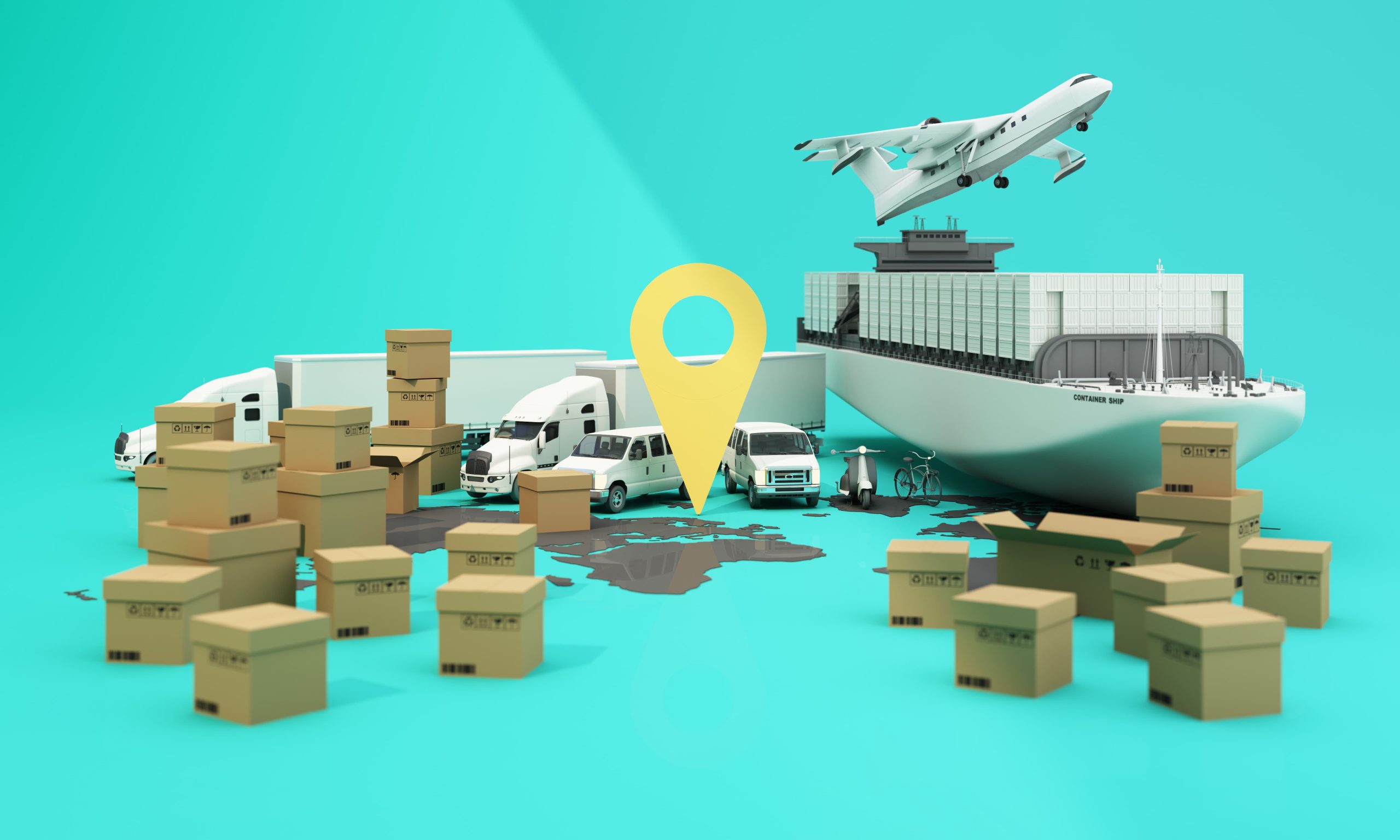
Moving to another country is one of the most exciting and demanding decisions you can make. Whether you are relocating for work, study or a fresh start, understanding your international shipping options and how to manage them is key to a smooth transition. In this article we take a close look at sea, road and air moves, with practical tips and strategies for each. Our goal is to help you make informed decisions and prepare for every stage of the journey.
Understanding Your Shipping Options
1. Sea Freight
Sea freight is a popular choice for international moves thanks to its ability to handle large volumes at a relatively low cost. That said, it involves longer transit times and more complex planning.
Advantages of Sea Freight
- Cost-effective: shipping large volumes by sea is usually cheaper than by air.
- Capacity: shipping containers accommodate large volumes, including furniture and vehicles.
- Security: containers keep your belongings safe from damage and theft.
Drawbacks of Sea Freight
- Time: it is slower, with transit times ranging from a few weeks to several months.
- Customs: it requires careful handling of customs paperwork, which can be complex and slow.
The Sea Freight Process
- Standard containers come in 20-foot and 40-foot sizes (roughly 6 m and 12 m). Assess your needs to pick the right one.
- Specialised containers are available for vehicles or delicate items.
- Book ahead to secure availability, especially during peak season.
- Pack properly to make the most of the space and protect your goods.
- Arrange transport of the container from your home to the departure port.
- Submit the required export documentation and pay any applicable fees.
- Track your container using the provider’s monitoring tools.
- Handle customs at the destination and arrange delivery to your new home.
2. Road Transport
Road transport is ideal for moves between neighbouring countries or within the same continent. It uses trucks or trains to move your belongings.
Advantages of Road Transport
- Flexibility: it offers plenty of leeway in routes and schedules.
- Direct access: it carries your load from your old home to the new one with no extra transfers.
- Speed: generally faster than sea freight.
Drawbacks of Road Transport
- Cost: it can be expensive, particularly over long distances.
- Geographic limits: it is not viable for intercontinental moves or remote islands.
The Road Transport Process
- Choose between a full truckload (FTL) or a partial load (LTL) depending on your volume.
- Review the available routes to pick the most efficient and safest one.
- Pack and load securely to avoid damage in transit.
- Gather all the paperwork needed to cross borders, including permits and insurance.
- Track progress and stay in touch with the driver or the removals company.
- Coordinate the vehicle’s arrival at your new home and oversee unloading.
3. Air Freight
Air freight is the fastest option for international moves, but also the most expensive. It is ideal for shipping essential, high-value belongings.
Advantages of Air Freight
- Speed: it is far quicker than sea or road.
- Security: it offers a high level of protection for your belongings.
- Convenience: perfect for urgent shipments and high-value items.
Drawbacks of Air Freight
- Cost: it is considerably pricier than the alternatives.
- Limited capacity: airlines impose weight and volume restrictions.
The Air Freight Process
- Decide which items to ship by air, prioritising essentials and high-value goods.
- Book space with the airline or air cargo provider.
- Use quality materials and follow the airline’s packing rules.
- Complete the required forms and obtain any permits.
- Arrange transport of your goods to the airport.
- Track the flight and the arrival of your belongings.
- Handle customs and arrange final delivery to your new home.
Planning and Preparation
Making the Decision
Before settling on a shipping method, assess your specific needs. Consider the volume and weight of your belongings, the time you have and your budget. Also weigh the nature of the items: large furniture or vehicles suit sea freight, while important documents and valuables travel best by air.
Research different removals and shipping providers. Request detailed quotes and compare the services on offer. Make sure the provider has experience with international moves and a strong customer-service track record.
Factors to Weigh When Choosing a Provider
- Experience and reputation: look into the track record of removals companies in your area. Read reviews and testimonials to gauge the quality of service.
- Services offered: check that the company covers everything you need, from packing and loading to transport and unpacking. Some also offer temporary storage and insurance.
- Cost and coverage: ask for detailed quotes that include every associated cost. This helps you avoid nasty surprises and budget more accurately.
- Clear contracts: sign a contract that spells out all services, costs and any other agreements with the company.
Documentation and Customs
Handling paperwork and customs is an essential part of any international move. Learn the specific requirements of your destination country and prepare every document well in advance.
Common Documents for International Moves
- Passport and visa: make sure you have a valid passport and the right visa for your new country.
- Inventory of goods: a detailed list of everything you are shipping.
- Permits and licences: some countries require special permits for certain items.
- Ownership certificates: for high-value goods such as vehicles or antiques.
Packing and Preparing Your Belongings
1. Packing Materials
Using quality packing materials is crucial to protect your belongings in transit. Make sure you have:
- Reinforced cardboard boxes: in various sizes for different items.
- Bubble wrap and packing paper: to protect fragile items.
- Strong tape: to secure the boxes.
- Labels and markers: to clearly identify each box.
2. Packing Techniques
Fragile Items
Wrap each fragile item individually in bubble wrap and secure it inside boxes with enough padding to prevent movement.
Furniture
Disassemble large furniture whenever possible and wrap each piece in moving blankets to prevent damage.
Important Documents
Keep all crucial documents in a separate, clearly labelled box. Consider digitising the most important ones as a backup.
3. Labelling and Organisation
Label each box with a clear description of its contents and the room it belongs to in your new home. This makes unpacking easier and keeps essential items within easy reach.
Shipping and Tracking
Coordinate clear pickup and delivery dates and times with your provider. Make sure you have a contact at the destination to receive your belongings.
Use the provider’s tracking tools to monitor the shipment’s progress. Keep communication open to resolve any issue that comes up in transit.
How your fragile belongings are loaded onto the truck matters just as much. Make sure boxes of fragile items are not under pressure or the weight of other objects. Place them ideally on top of other boxes or in spots where the risk of movement and crushing is minimal.
Consider taking out moving insurance to protect your belongings against damage or loss during the move.
Supervising both loading and unloading is essential. It lets you confirm that everything is handled with care and nothing goes missing. Document the condition of your items before and after the move so you have a clear record in case of damage.
Unpacking and Settling In
Unpack in an organised way, starting with the essential rooms. Check that everything is in good condition and cross-reference your inventory to confirm nothing is missing.
Follow the assembly instructions to reassemble your furniture and set up any equipment you need. Consider hiring professionals to install complex systems such as internet networks or security systems.
Take time to adjust to your new surroundings. Explore the neighbourhood, get to know local services and set up new routines to ease the transition.
Finally, celebrate the move and the fresh start. Organise a small housewarming to mark the start of this new chapter and recognise everyone’s effort. It boosts morale and strengthens a sense of community and belonging.
An international move can be a challenge, but with the right planning and resources you can make the whole process as smooth and stress-free as possible. At Mudanzas Trallero we are committed to delivering the best service so your international move is a success. Visit Mudanzas Trallero to learn how we can help you move efficiently and safely. Let us turn your move into a positive, worry-free experience!




