
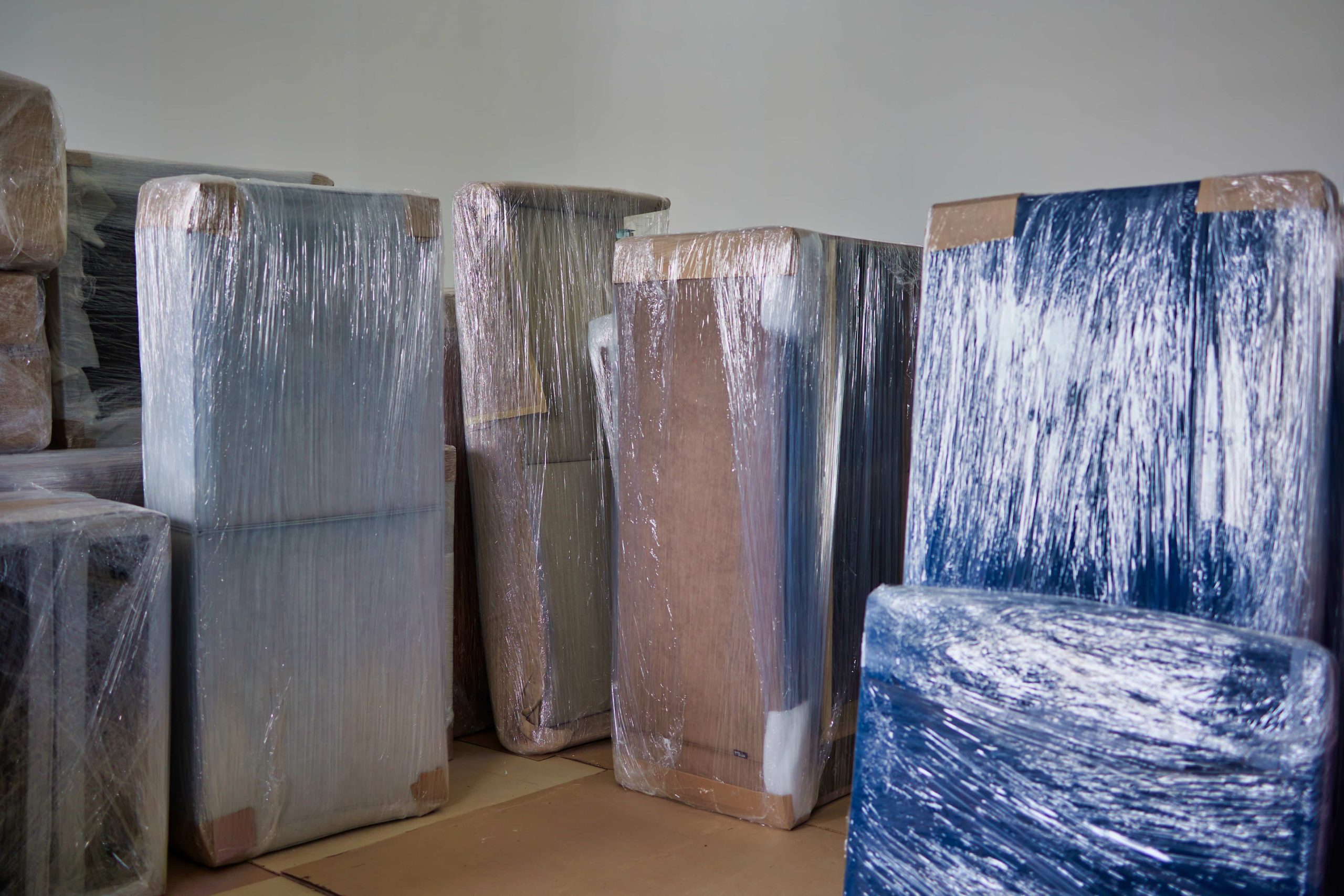
There’s furniture, and then there’s furniture. Some pieces can be wrapped in twenty minutes with two rolls of stretch film and arrive in perfect shape. Others call for a different kind of care: designer furniture, high-end pieces, objects that combine sensitive materials, and structures that don’t fit standard packing methods.
Moving designer furniture isn’t complicated if it’s handled properly. What is true is that mistakes in this kind of move are more visible and harder to fix than in a standard one. A mark on a white lacquer finish, a broken leg on a designer chair, a scratch on a tempered glass surface: these are damages that affect both the value of the object and the character of the piece.
What follows are the real considerations to keep in mind before moving this type of furniture.
→ What makes a piece count as designer furniture when it comes to moving
→ The most delicate materials and how to handle them
→ Specialist packing: beyond bubble wrap
→ Transport: distance, temperature and vibration
→ Transit insurance for high-value furniture
What makes a piece count as designer furniture when it comes to moving
For the practical purposes of a move, a piece of designer furniture is any item whose economic, aesthetic or material value demands above-standard protection during packing, loading and transport. It’s not always a question of brand or catalogue price; there are locally crafted or collector’s pieces that need the same care as an Eames chair or a Molteni table.
The criteria that make a piece require special handling are: sensitive materials—lacquers, marble, glass, high-end leather—non-standard dimensions or weights, fragile structures or pieces with moving parts, and one-off or limited-edition items that are difficult or impossible to replace.
In practice, when you’re asked whether you have special items in your move, this is the category to declare. Not so the price goes up automatically, but so the team can plan the right packing and the actual time needed to handle those pieces.
The most delicate materials and how to handle them
Lacquer is one of the most common finishes on designer furniture and also one of the most vulnerable during a move. White lacquers, in particular, show any scratch, pressure mark or fingerprint with unforgiving clarity. Proper protection means tissue paper or non-woven fabric between the furniture and any other material—and never stretch film directly on the surface.
Marble and stone surfaces are materials that look sturdy but are highly vulnerable to knocks on edges and corners. A drop of less than half an inch onto a marble corner can chip or fracture it. Packing these pieces has to focus especially on protecting those points. Marble slabs are transported upright, never flat, to reduce the risk of breakage.
High-end leather requires that there be no concentrated pressure during transport. Leather chairs and sofas should always be protected with materials that breathe and distribute any weight evenly. Intense heat can also affect leather: on a summer move, these pieces are especially sensitive.
Tempered glass and lacquered glass are materials that create a lot of uncertainty, because it isn’t always easy to know what they can withstand. The rule of thumb is: protect more than you think you need to, and never stack anything on top of glass surfaces during transport.
Natural wood—unvarnished or with water-based finishes—also deserves special attention. These materials absorb ambient moisture very actively. On moves involving sharp changes in temperature or relative humidity—common in summer or in international moves—this wood can warp more easily than other materials. The packing has to include protection against ambient moisture, not just against physical knocks.
Specialist packing: beyond bubble wrap
Bubble wrap is handy for many things, but for the specialist packing of designer furniture it isn’t always the first choice. On delicate surfaces, the plastic itself can leave marks or stick in the heat. What does work well for designer pieces is a combination of materials: tissue paper on first contact, then high-density moving blankets, with film or tape only on the outer layers.
Reinforced cardboard corner protectors are essential for guarding the right angles of tables, sideboards and shelving units. They’re inexpensive and prevent practically all the edge knocks that happen during loading and unloading.
For large-format pieces—pictures, mirrors, glass doors—the best option is a custom-built wooden crate. These aren’t available on every move, but for a high-end designer furniture move, the cost of building that crate is negligible compared with the cost of repairing or replacing the piece.
As for sofas, the usual practice is to cover them with non-woven fabric and secure them with film only on the outside. High-end sofas with removable legs should always be disassembled; transporting a heavy sofa with its legs on significantly increases the risk of bending or splintering at those joints.
Transport: distance, temperature and vibration
The risks during the transport of designer furniture are mainly three: the constant vibration of the vehicle on the road, sharp changes in temperature, and pressure from other objects during loading.
Vibration that builds up over long journeys can loosen joints, shift protective wrapping and, in furniture with moving or hinged parts, create stress at the joints. Well-done packing that includes padding between pieces—foam, non-woven fabric—absorbs much of that vibration.
Temperature changes are especially relevant on summer moves or international ones. The lacquers, resins and adhesives that bond certain materials are sensitive to sudden shifts. If the move involves going from a climate-controlled space into a vehicle at high temperature, you have to factor in that window of time when the piece is exposed.
As for load pressure, designer pieces should not be mixed in with heavy boxes if there’s a risk they’ll shift during the journey. The usual solution is to load them last and unload them first, so they always travel in the most accessible position and with no weight on top of them.
The quality of the team handling the pieces is also a factor that doesn’t show up on the quote but is obvious in the result. A team that works carefully during loading and unloading, that doesn’t rush its movements or improvise packing solutions at the last minute, makes the difference between an incident-free move and one that ends in a claim. Ask about the team’s experience with high-end pieces before confirming the service.
Transit insurance for high-value furniture
A standard moving transit policy covers goods up to a value set per kilogram or by volume. For designer furniture, that kind of general cover may fall short if the value of the pieces exceeds that calculation.
What’s worth doing before you book is to explicitly declare the valuable pieces and ask about specific real-value cover. Many companies offer supplementary insurance for declared high-value items; the extra cost is usually far lower than the risk you take on without that cover.
Photograph each piece before the move, from several angles, and keep the images somewhere accessible. This isn’t red tape: it’s the documentation you’ll need if there’s an incident and you have to prove the object’s prior condition.
Request a specialist move for delicate furniture
Moving designer furniture without unnecessary risks isn’t a matter of luck. It’s a matter of preparation, the right materials, and a team that knows how to handle these pieces without improvising.
Mudanzas Trallero offers a specialist service for high-end moves. Before asking for a quote, make an inventory of the pieces that need special attention: it’s the best starting point for a conversation worth having before moving day. Knowing what you’re working with in advance makes it possible to prepare the right packing, assign the right team, and calculate the real time a move like this takes—which is always longer than a standard move of the same volume.
Request a quote for your specialist move of delicate furniture and tell us which pieces need special attention. We’ll prepare a proposal tailored to what you actually need.




