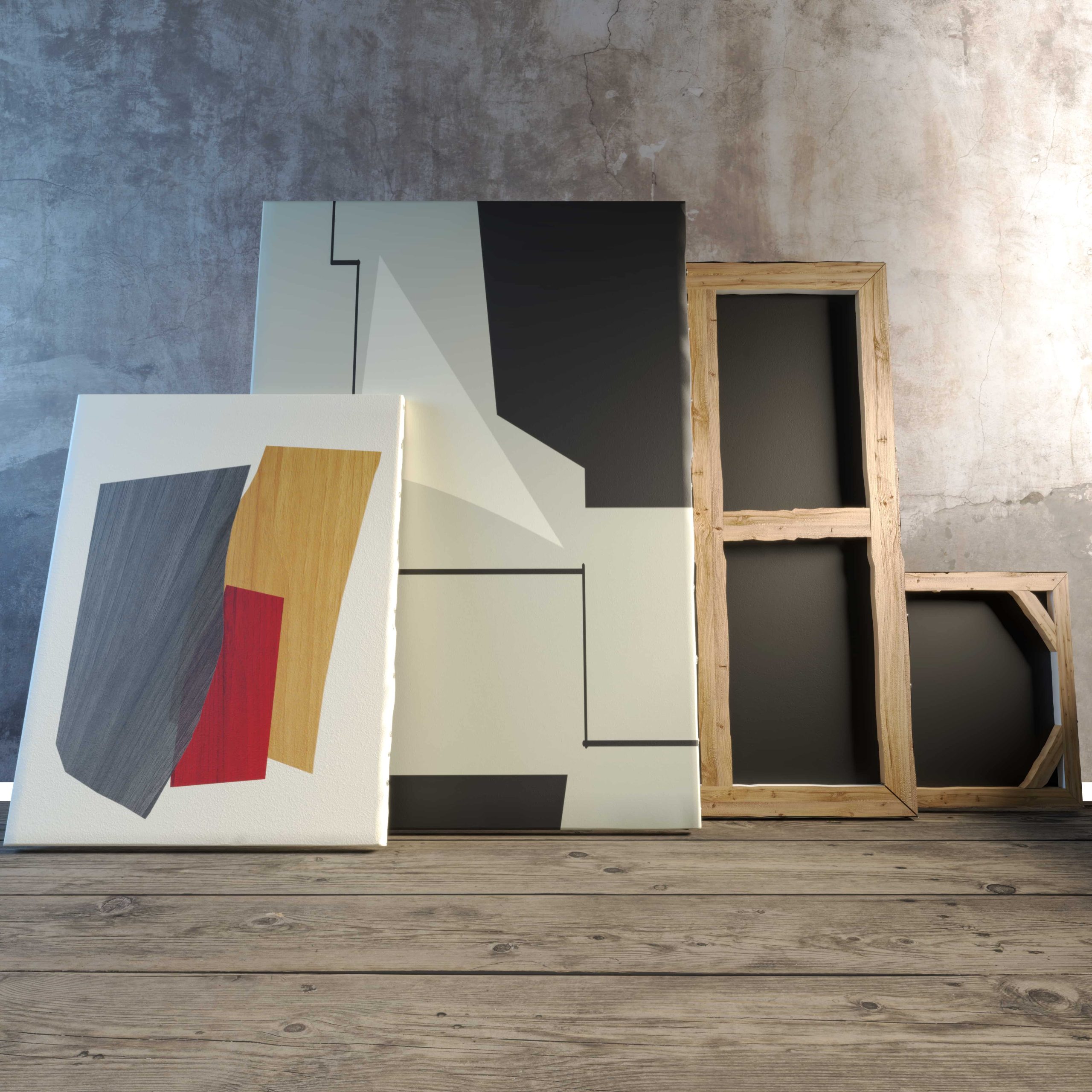
A valuable painting, an inherited ceramic sculpture, a collector’s piece with no market price because it has no possible replacement either. Moving artwork or items of high sentimental and financial value has nothing in common with moving boxes of clothes. Moving artwork calls for specific materials, trained staff and a protocol that leaves nothing to chance.
And yet many people try to do it themselves and find out too late what mishandling can cost. Not always in money. Sometimes in something that simply can’t be fixed.
In this article we’ll break down:
→ What counts as a specialist move or artwork move
→ Packing materials that really protect
→ How to transport fragile pieces without risk
→ Why insurance matters when moving valuable pieces
→ How to document the condition of pieces before and after
→ Oversized or especially heavy works: what changes
→ Trust your valuable pieces to specialists in specialist moves
What Counts as a Specialist Move or Artwork Move
Moving artwork covers any piece that requires special handling because of its value, its fragility, its size or a combination of all three. It could be an oversized painting, a blown-glass sculpture, a ceramic collection, an antique musical instrument, a cabinet full of porcelain figurines or any object that, if damaged, can’t be repaired without losing value.
What defines this kind of move isn’t the piece’s price in a catalogue, but the level of care its handling demands. A piece with high sentimental value and low market value deserves the same treatment as a signed work with a high auction price. The logic is the same: if it can’t be replaced, it has to be protected as if it were irreplaceable.
This category also includes musical instruments, especially stringed instruments or wooden wind instruments, which are extremely sensitive to changes in temperature and humidity. And historical or photographic documents, which can deteriorate irreversibly after brief exposure to unsuitable conditions during transport.
Packing Materials That Really Protect
Packing is a valuable piece’s first shield. Not just any cardboard or newspaper will do. The right materials for packing art include acid-free tissue paper, closed-cell polyethylene foam, rigid double-wall cardboard sheets and, in specific cases, custom crates built to the exact shape of the piece.
Newspaper, though popular in conventional moves, releases ink that can stain delicate surfaces. Standard bubble wrap creates localised pressure at specific points that can deform or mark soft surfaces. And thin cardboard simply offers no protection against knocks or drops during transport.
The difference between proper packing and an improvised job can show up just hours after the move. That’s why, in specialist moves, packing is never improvised: it’s planned ahead of time, piece by piece, with the right materials for each type of object and surface.
For oil or tempera paintings, protecting the painted surface is the top priority. Acid-free tissue paper between the surface and any other material keeps dust, humidity or packing materials from leaving marks. For sculptures with protruding parts, the most fragile areas are protected individually before the whole piece is packed.
How to Transport Fragile Pieces Without Risk
Transporting a delicate object starts long before it’s loaded onto the truck. The first decision is positioning: paintings are always transported upright, never flat or stacked. Sculptures need a stable base that won’t let them rock during the journey. Glass objects require cushioning chambers that isolate them from the vehicle’s movement and vibrations.
The vehicle matters too. Vans and trucks specialised in art transport have anchoring systems, protective covers and, in special cases, active suspension and temperature and humidity control. For high-value pieces, transport under controlled conditions isn’t a luxury: it’s a requirement.
Some objects, such as works on photographic media, paper or untreated wood, can degrade irreversibly with sudden swings in temperature or humidity during the trip. A ride in a truck without climate control in the middle of summer can cause more damage than careless handling. The transport protocol has to account for both the journey and the weather on the day.
Why Insurance Matters When Moving Valuable Pieces
Insurance is the safety net nobody wants to need, but nobody should move without. In a move involving valuable pieces, the standard insurance most removals companies offer covers a value per kilogram or a preset maximum that rarely reflects the piece’s real worth.
For artwork, collections or musical instruments, you need an all-risk policy based on the real appraised value of each piece. And that means having an up-to-date appraisal before the move, not after the incident. A policy that covers “valuables” without a prior appraisal can lead to complicated disputes and unsatisfactory outcomes in the event of a claim.
According to data from art-specialist insurers, around 80% of damage claims in artwork moves are resolved favourably when the piece has a documented prior appraisal. Without that paperwork, negotiation becomes far more complicated for the owner, and the resolution takes longer and tends to be less satisfactory.
How to Document the Condition of Pieces Before and After
Before any valuable piece leaves its usual location, it’s worth documenting its condition with detailed photographs: the front, the back, the angles, the details of any pre-existing damage. This documentation serves two purposes: it acts as a reference for insurance in the event of a claim, and it confirms that the piece arrived in the same condition it left in.
The photographic record should be taken in good lighting and should include wide shots and close-ups of the most fragile areas or of any pre-existing damage. If there are marks, scratches or earlier restorations visible, they should be clearly recorded to avoid any confusion about the origin of later damage.
This documentation protocol isn’t exclusive to museum or gallery moves. Anyone moving a valuable object, even a family piece with no market price, benefits from having that record before and after the move. It takes five minutes and can prevent disputes that drag on for months.
The removals company can also draw up a handover and receipt record signed by both parties. That document, together with the photographs, clearly establishes the condition of the piece at every stage of the process and is the strongest argument in the event of a claim.
Oversized or Especially Heavy Works: What Changes
Oversized or very heavy pieces add a level of logistical complexity that goes beyond packing. A painting three metres wide may require door frames to be removed or the piece to be hoisted up the building’s facade. A bronze sculpture weighing several hundred kilos needs specific lifting equipment and staff trained in handling exceptional loads.
In these cases, advance planning isn’t optional: a technical survey of the origin and destination, measuring doors and stairwells, identifying the safest access route, coordinating with the building to use a goods lift or facade access. Improvising on moving day with a piece like this is an unnecessary risk that can also damage the building itself.
Oversized pieces moved between collections, galleries or exhibition spaces also have additional requirements related to insurance, ownership records and, in some cases, temporary export permits. A company specialised in specialist moves knows this framework and can guide you through the whole process.
Trust Your Valuable Pieces to Specialists in Specialist Moves
Mudanzas Trallero has a specialist moving service designed for pieces that can’t be treated like just another box. The protocol includes a prior assessment, specific materials for each type of object, staff trained in handling valuable pieces and tracking throughout the entire move.
Not every removals company has the training or the materials to handle this kind of move. The difference between doing it right and improvising shows up in the condition of the piece when it reaches its destination.
Before hiring any company to move valuable pieces, it’s worth asking directly: do they have documented experience with this kind of object? What packing materials do they use? How do they handle insurance for high-value pieces? The answers to those three questions say a lot about whether that company is the right one for your move or not.
A specialist move done well is invisible: the piece leaves one place, travels and arrives at the next in exactly the same condition. That’s what any company working with irreplaceable objects should guarantee.
If you need to move artwork, instruments, antiques or any object that deserves different treatment, would you like a quote for moving your valuable pieces? Click here and receive a proposal with the protocol and materials your piece needs.