In this article you’ll see:
- Why moving insurance is a decision-making tool, not an “extra piece of paper”.
- The most common types of coverage and what each one typically covers.
- How to spot limits and exclusions that could leave you high and dry.
- What documentation and evidence to keep before and after to truly protect your move.
- How packing (DIY vs. professional) affects your coverage.
- What questions to ask so you can compare providers properly.
- How to turn insurance into real peace of mind without overpaying.
Moving insurance isn’t paranoia: it’s the filter that separates professionals from the “cheap” crowd
When you look for moving insurance or want to insure your move, you’re not being distrustful: you’re making a smart decision. A move is a moment of maximum exposure: items in motion, heavy handling, changing environments and, at times, several teams and phases (loading, transport, unloading, assembly). Even a very careful company can run into incidents. The difference between a calm experience and a nightmare usually isn’t “that nothing ever goes wrong”, but how it’s planned to be handled if it does.
The fresh take is to see insurance as part of the service. Just as you ask for professional packing, a loading protocol and an inventory, insurance is the final link in the chain of control. A serious provider won’t mention it at the end as a formality; they’ll explain it clearly up front, because they know you’re comparing options and that a lot of trust is decided right there.
Types of coverage in a move: understand the map before you look at prices
Although the names vary by company and policy, in practice you’ll come across three levels worth telling apart.
- The first is the basic coverage tied to the liability of the carrier or service provider. It usually covers damage caused by demonstrable negligence during transport, but with limits and conditions. It’s better than nothing, but it doesn’t always cover you the way you think if the damage is hard to attribute or if certain items are excluded by definition.
- The second level is extended or “all-risk” coverage (or similar), which normally covers more scenarios: knocks, breakage or damage during handling, loading/unloading and transfer, with deductibles and limits per item or per claim. Here the key isn’t the “all-risk” label, but the fine print: what counts as damage, what documentation they require and whether there are exclusions for packing, special items or value.
- The third level is declared-value insurance (or specific coverage for high-value goods). It’s especially relevant if your move includes art, antiques, professional equipment, instruments or expensive electronics. In this case you declare the value (sometimes backed by invoices or appraisals), and the coverage is tailored accordingly. This type of insurance usually comes with stricter packing and handling requirements, because the goal is to minimize risk from the start.
If you’re on a premium service, the company can usually advise you on which level suits you based on volume, distance and type of goods. With Mudanzas Trallero you can raise this from the outset as part of the quote, which is what helps you compare without surprises.
What really matters: limits, deductibles and exclusions (the trio that decides everything)
This is where many people go wrong. It’s not enough to know that “there’s insurance”. You need to look at three things.
- First, the limits: is there a maximum per item? A maximum per claim? An overall maximum? A policy can sound great until you find out your €1,500 TV (around $1,600) is covered only up to €300 per item.
- Second, the deductible: how much you pay yourself before the insurer steps in. Sometimes the deductible means small incidents “aren’t worth” claiming, and that’s fine as long as you know it and accept it.
- Third, the exclusions: items not covered (jewelry, cash, documents), pre-existing damage and a classic one: exclusions for inadequate packing.
A very practical tip: when a company tells you “we have insurance”, reply with this line: “Great, can you tell me the per-item limits, the deductible and the main exclusions?”. If they answer quickly and clearly, you’re dealing with a serious provider. If they dodge, bad sign.
Packing and coverage: why packing yourself can change what’s covered
This point is key if you want to genuinely insure your move. Many policies make coverage conditional on packing being adequate. If you pack on your own and something fragile breaks, there can be a dispute over whether the packing was correct. It doesn’t mean you shouldn’t pack yourself, it means you should know where the risk sits.
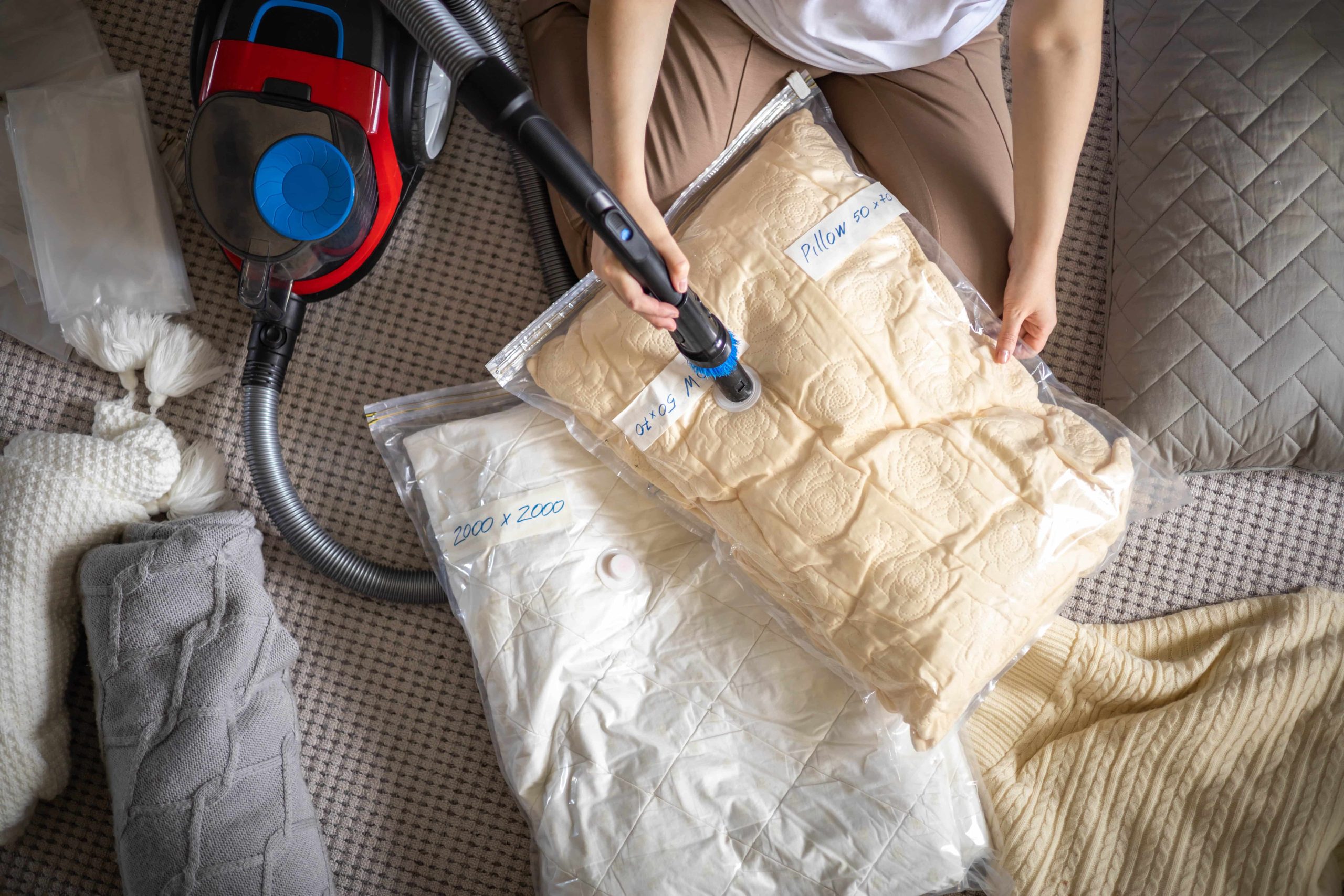
The smartest approach is a mixed one: you can handle clothes, books and less delicate things, and leave the fragile items, electronics, art and sensitive furniture to the company. That way you reduce the gray areas. On top of that, when the company packs, there’s usually more traceability: each parcel is identified, protected with professional packing materials, and the “before” and “after” are clear.
On more premium services, the inventory and condition documentation also help. With Mudanzas Trallero, this layer of control (packing + inventory + handling) fits perfectly with the logic of insurance: it’s not just “paying in case something happens”, it’s designing things so it doesn’t happen and, if it does, it’s resolved without drama.
Documentation that protects you: what you should do before and after
If you want a claim to move quickly, you have to prepare the ground. Before the move, take clear photos of your critical pieces: appliances, screens, delicate furniture, pictures, glass and corners. You don’t need 300 photos: 10-20 well-taken ones give you a fairly solid “prior condition”. If there are old marks, record them: it avoids misunderstandings.
During the move, if there’s an inventory, make sure the critical pieces are identified. And when you arrive, check the important ones before you lose momentum.
A tip: don’t unpack everything; check “high value and high fragility” first. If you spot damage, document it with photos and report it as soon as possible following the procedure. Don’t leave it for “when I have time”, because some policies require notification within a specific deadline.
Also, keep the quote/contract and any insurance annex. It sounds obvious, but in the stress of the move it gets lost, and then it’s the first thing they ask you for.
Questions to compare providers without being sold smoke and mirrors
When you’re in buying mode, you need questions that cut through the noise. Here are the ones that give you the most value:
Ask whether the insurance also covers damage to common areas (if the company causes it) or only your belongings. Ask whether it covers loading and unloading or only transport. Ask what happens if there’s storage or temporary warehousing: does the coverage stay in place? Ask how they handle high-value goods: do they require a declaration? Specific packing? Ask about the procedure: who do you call? What documentation do they ask for? How is the damage assessed: repair or replacement?
And one question that reveals professionalism: “What doesn’t your insurance cover, and what do you recommend doing with those items?”. A serious provider won’t tell you “everything’s covered”; they’ll say “not this, so it’s best you carry it with you or declare it”.
How to choose the right insurance without overpaying
Here the decision isn’t “the more, the better”. The decision is to match the level to your risk. If your move is small and has no delicate items, standard coverage may be enough. If you have fragile things, expensive furniture or technology, an upgrade makes sense. If you have art, antiques or professional equipment, consider declared-value insurance and insist on matching packing. The important thing is consistency: the insurance has to be aligned with the reality of your move.
A final tip: don’t settle for the words “all-risk”. Ask them to explain it with examples: “If a screen breaks, what happens?”, “If a lacquered piece of furniture gets scratched, how is it handled?”. Examples show you whether there’s operational clarity or just marketing.
Insure your move with a clear quote and no fine print
If you want to insure your move with moving insurance that’s clearly explained and tailored to your belongings and your type of transfer, the best move is to request a quote that spells out coverage, limits and procedure; you can do that with Mudanzas Trallero.
Want a personalized quote for your move? Request your quote here.