A move without a lift isn’t about strength: it’s about method and safety
A move with no lift and difficult access isn’t solved by “powering through it”. It’s solved with planning, protection and a way of working that cuts down trips, knocks and fatigue. The key is understanding that the problem isn’t going up and down; the problem is friction: narrow staircases, impossible turns, tiny landings, a long distance to the truck and streets where stopping is tricky. Without a method, every minute turns into effort and every effort raises the risk of breakages or injuries.
When an expert team like Mudanzas Trallero handles it, the priority is to turn difficult access from a “punishment” into a plan: a defined route, the right materials and, when it makes sense, lifting systems so nobody has to carry loads where they shouldn’t.
Pre-move survey: measure before you move (and skip the surprises)
The first real step is to assess the site. “It’s a fourth floor with no lift” isn’t enough. We check the stair width, the turns, the landing size, the type of handrail, the real height and the distance from the entrance to the loading point. We also flag the critical items: a large sofa, a fridge, wardrobes, glass tables. This survey decides whether we work the stairs with technique and gear, whether it’s worth dismantling, or whether external lifting is the safest, most efficient option.
A handy tip for you: if you’re unsure a piece of furniture will fit, measure the narrowest point (doorway, stair turn, landing) and compare it with the longest side of the item. If it doesn’t fit “on paper”, in practice it’s usually worse. Anticipating it avoids the classic jam that kills both rhythm and patience.
Preparing the site: protect the path so the work flows
With difficult access, safety comes first. We clear the routes, remove obstacles, secure rugs and protect corners and door frames. It’s not about looks: on narrow stairs, knocks happen on edges and turns, and protecting the site lets the crew move smoothly without braking out of fear. We also set up a staging point near the exit to cut down on loose trips and improve the loading pace.
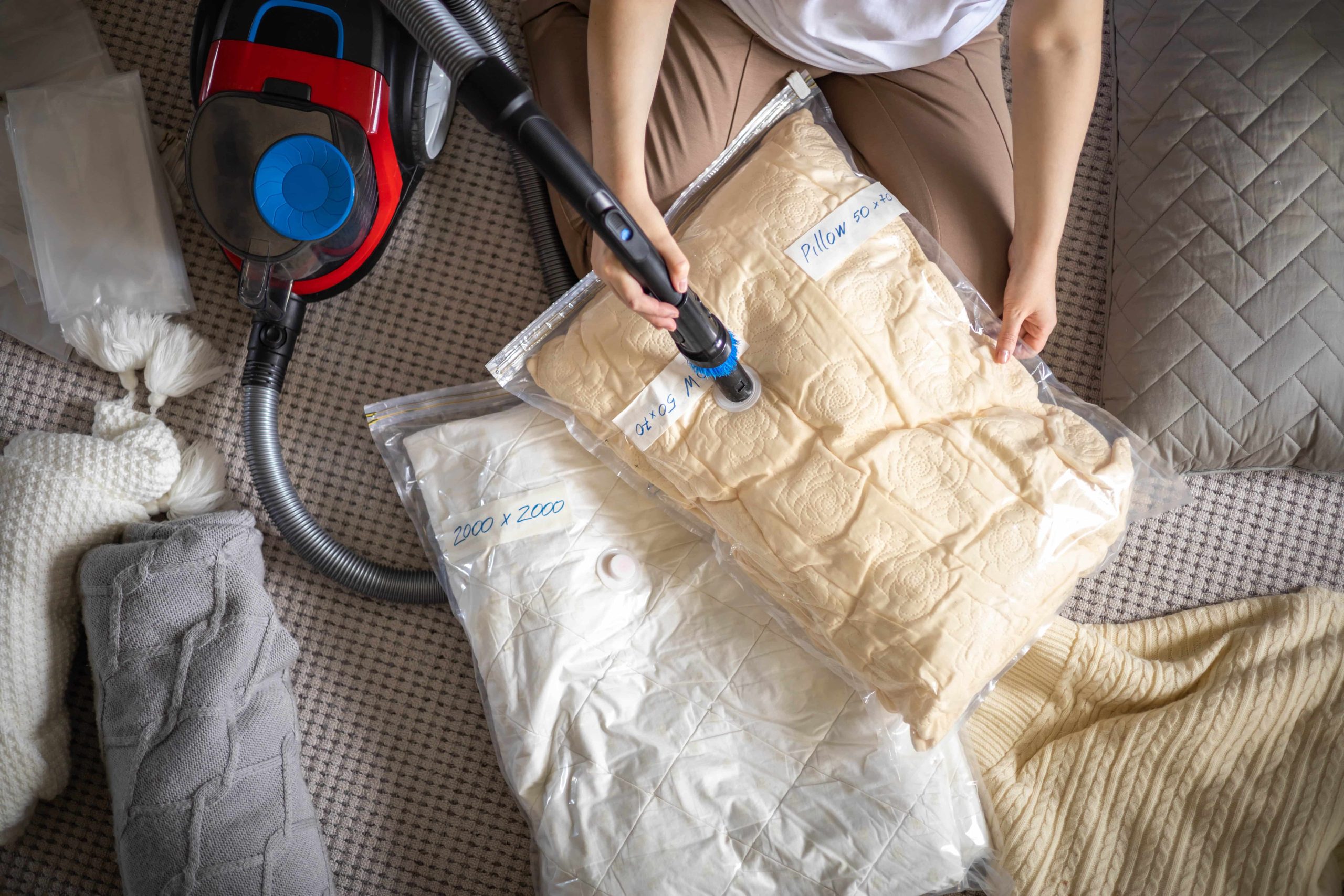
Packing is tailored to the context too: extra reinforcement on corners, moving blankets to cushion scrapes and corner guards for critical points. On a move with no lift, “surface-level” packing isn’t enough, because furniture will rub and pivot much more.
Handling technique: fewer trips, more control
With difficult access, what wastes the most time is “bringing things down bit by bit” with no order. The professional approach is to work in sequence: bulky items first (to free up space), then fragile items as a priority and, lastly, the boxes. The crew works with coordinated moves, using transport tools (dollies, straps, padding) and avoiding dead weight in oversized boxes. The key tip: heavy items go in small boxes. Otherwise you run out of hands (and out of back).
And with large pieces, dismantling in time is usually faster than forcing the fit. Dismantling isn’t giving up: it cuts risk and buys you room to maneuver.
Lifting systems: when the best access is “from the outside”
There are cases where insisting on the stairs is a mistake. That’s where lifting systems come in: external lifts (hoists) that raise or lower furniture via the facade, a balcony or a window. This cuts trips, minimizes scrapes in shared areas and speeds things up dramatically. The key is deciding on it beforehand, because it means planning the placement, the safety setup and the work window. At Mudanzas Trallero this kind of solution is built in whenever the indoor access justifies it, because the goal is a safe, efficient move, not a heroic one.
Difficult access: turn it into a plan, not a problem
If you’ve got difficult access or a move with no lift and you want it done safely, quickly and without punishing your furniture (or your back), the best move is to lean on professional systems and technique; you can look into it with Mudanzas Trallero.
Want a personalized quote for your move with an external lift? Click here.