
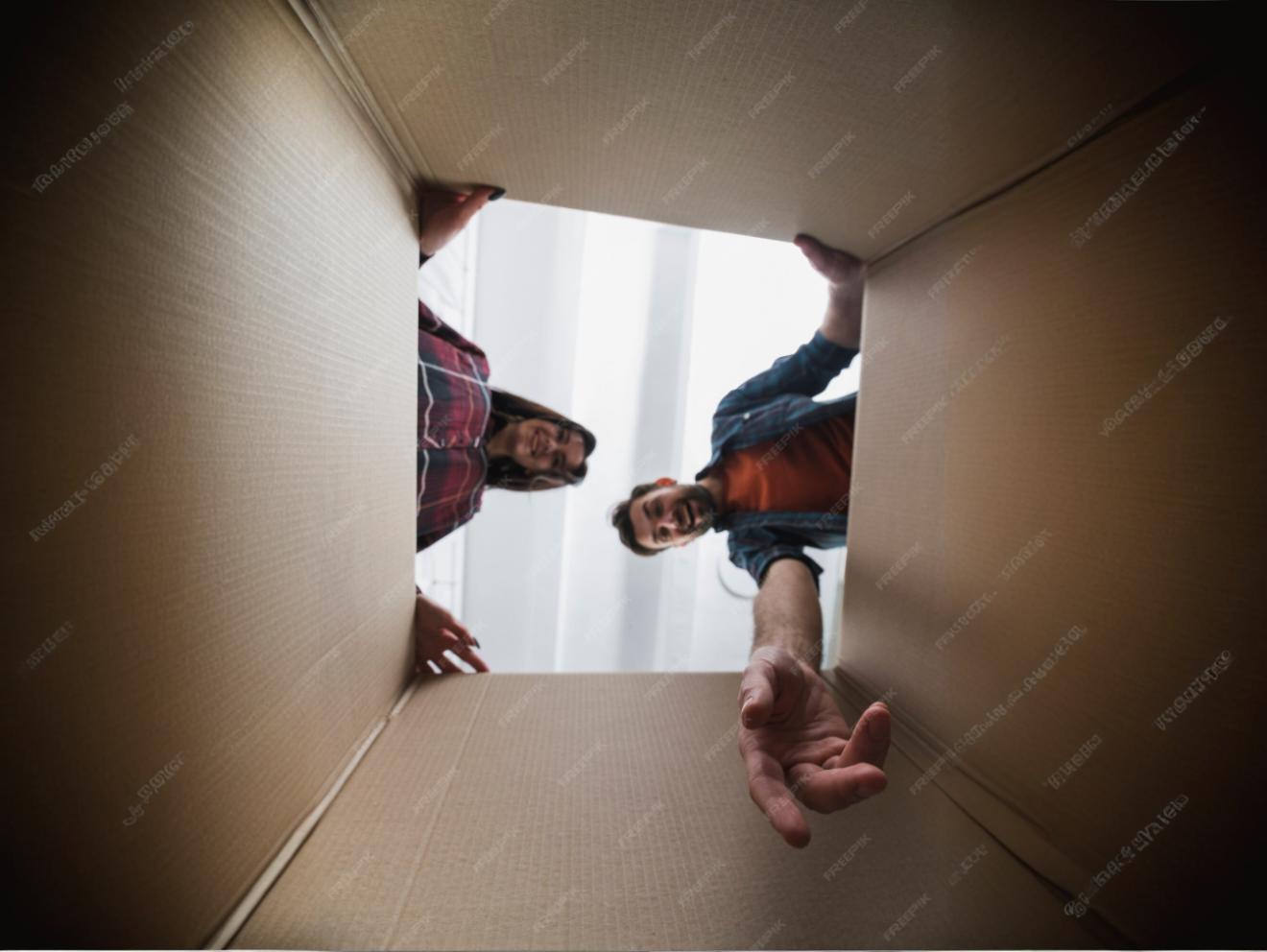
Moving day is like an expedition into the uncharted territory of your new home. As the boxes pile up like mountains in your old place and the movers come and go with your belongings, you find yourself in a kind of limbo where the familiar fades away and the new hasn’t yet taken root. It’s at this crucial moment that you need your “moving survival kit”: that lifeline packed with essentials to help you keep your cool, your comfort and your functionality through the most chaotic hours of the move.
This box isn’t just a list of practical items; it’s your emotional refuge, your first-aid kit and your guarantee that, whatever happens, you’ll have what you need until everything is back in its place. Because let’s be honest: moving is stressful, exhausting and often unpredictable. But with the right preparation, you can turn this day of chaos into a far more manageable experience.
The basics you can’t do without
Your survival kit should start with the absolute essentials, the items you’d consider vital if you were stranded on a desert island, but adapted to the reality of a move. Water is your first ally: you’ll need at least two litres (roughly half a gallon) per person, because dehydration is the silent enemy during a day of intense physical activity. Don’t underestimate the importance of staying hydrated, especially if your move falls on a hot day or you’ll be dashing around supervising the process.
Energy snacks are your second line of defence. Forget elaborate meals; today you need quick, effective fuel. Cereal bars, nuts, fruit that won’t bruise easily such as apples or bananas, and a few sweets for those low moments. Your body will be in survival mode, and it needs nutrients it can process quickly without draining your energy on digestion.
A basic first-aid kit is non-negotiable. Include painkillers for headaches and sore muscles, plasters for small cuts, antiseptic, and any medication you take regularly. Moves are prone to small mishaps: a knock from a box, a scrape from a corner, or simply a sore back from the stress and the unusual physical effort.
Emergency tools for the big day
Beyond the basics, you need tools that turn you into an instant problem-solver. A multipurpose screwdriver can save the day when you need to dismantle something quickly or make a last-minute adjustment. Scissors are essential for cutting tape, opening emergency boxes or even trimming off troublesome labels. A sharp knife or box cutter will let you open boxes precisely without damaging the contents.
An extra roll of tape is the superpower of any move. You’ll always need more than you think, whether to reinforce a box that’s coming open, to mark something important or to make a temporary repair. Plastic bags in various sizes will help you keep track of small items that could get lost in the chaos, such as screws, keys or important documents.
A torch with spare batteries is essential, especially if your move stretches into the evening or you find yourself in poorly lit spaces. Stairs, basements or simply stacked boxes can cast shadows where you’ll need extra light. Include an extension lead too, because you’ll invariably find the socket is exactly where you don’t need it.
Vital documents and ways to stay in touch
In the chaos of a move, important documents can vanish as if by magic. That’s why your survival kit should include a waterproof folder with copies of all your essential paperwork: rental or purchase contracts, ID documents, insurance policies and anything related to the move. Also include a list of key contacts: your removals company, the landlords or managers of both your current and new home, and local emergency services.
Your mobile phone is your lifeline, but it needs a constant power supply. Include a fully charged power bank and the matching charging cable. It’s also handy to keep a printed list of important numbers in case your phone runs out of battery at the worst possible moment. Staying connected is crucial for coordinating with the movers, keeping in touch with family or handling unexpected problems.
A small notebook and pens will let you jot down quick notes, make checklists on the go or record useful information that comes up during the day. In our digital world we often underestimate the power of writing by hand, but during a move, when everything is literally in motion, having something physical to write on can be invaluable.
Comfort and wellbeing items
Moves aren’t just a logistical challenge; they’re an emotional and physical one too. Your survival kit should include items that look after your wellbeing during this intense day. A change of comfortable, clean clothes gives you the chance to freshen up if you get dirty or the weather changes unexpectedly. Include spare underwear and clean socks too, because there’s nothing more disheartening than feeling uncomfortable in your own skin during a day that’s already stressful.
Basic toiletries are essential: toothbrush, toothpaste, deodorant, wet wipes and travel-sized shampoo. You’ll probably spend hours finding these among your boxes, and that feeling of freshness can be a real lift when everything else feels chaotic.
Don’t underestimate the power of small luxuries. A good instant coffee or a few teabags can give you the pauses you need to recharge. A small blanket or cushion can turn the floor of your new home into a place to rest for five minutes without feeling completely out of place.
Items specifically for the new home
Your survival kit should include items that make your new home functional from the very first moment. Toilet paper is absolutely essential, but also include kitchen roll, napkins and basic cleaning products. Your new home will probably need a quick clean before you can feel comfortable settling in.
A basic set of disposable tableware will let you eat and drink without having to rummage desperately through the boxes. Include plates, cups, cutlery and napkins. A tin opener and a corkscrew are handy too, because emergency food often comes in packaging that needs these specific tools.
Spare light bulbs are more important than you’d think. There’s always at least one dead bulb in a new home, and finding it at the end of an exhausting day can be the last straw. Include bulbs of different wattages and types, because you never know exactly what you’ll need until you’re there.
Tech and entertainment items
Technology can be your best ally during a move, but only if it’s available and working. Besides the power bank, include data cables, power adapters and a small multi-socket. New homes never have enough sockets where you need them, and a multi-socket can solve several connectivity problems at once.
A tablet or similar device can be incredibly useful for displaying floor plans, checking assembly instructions or simply for entertainment during the waiting times. Be sure to download useful apps in advance, such as offline maps of your new area, measuring apps or even relaxing music for those moments when you need to unwind.
A small Bluetooth speaker can completely transform the atmosphere of your new home. Music has the power to make any space feel more welcoming, and it can be especially useful for keeping spirits up during the hardest hours of the day.
Emotional and mental preparation
Your survival kit wouldn’t be complete without items that look after your emotional state. Moves are significant life events that can bring on anxiety, nostalgia and emotional exhaustion. Include something that connects you with the feeling of home: a family photo, a small plant, or even a sentimental object you can place in your new home straight away.
A book or magazine you enjoy can offer some escapism during the waiting times. Moves have plenty of enforced downtime: while the movers load the lorry, during the journeys, or while you wait for logistical problems to be sorted out. Having something to distract you positively can make the difference between a stressful day and one that’s simply busy.
Also consider including items to help you relax: essential oils, a small diffuser, or even a lavender spray. Scents have an extraordinary power to influence our mood, and creating a positive aroma can help you feel at home more quickly.
Tips for organising and using your survival kit
Organising your survival kit is just as important as its contents. Use a clear box or at least label it clearly on every side so it’s easy to spot in the chaos. Divide the contents into smaller bags by category: one for toiletries, another for tools, another for documents. This will let you find what you need quickly without having to empty the whole box.
Prepare your survival kit at least a week before the move. This gives you time to remember items you might have forgotten and to make sure everything is in good condition. Check the expiry dates on medicines and food, make sure the batteries work, and ensure all your devices are charged.
Keep your survival kit with you at all times during the move. Don’t load it onto the lorry with the rest of your belongings. It should travel in your own car or, if you don’t drive, make sure it’s clearly marked and flagged to the movers as a box you need immediate access to.
Trust the professionals with the rest
While your survival kit prepares you for the surprises of moving day, remember that professional planning is what truly guarantees a successful move. Moving experts understand the logistical complexities, have the experience to handle the unexpected, and have the tools and know-how to make your move as smooth as possible.
When the time comes to plan your move, think about the peace of mind that comes from working with experienced professionals. Mudanzas Trallero understands that every move is unique and calls for a tailored approach that goes beyond simply shifting boxes from one place to another. With more than 100 years of experience helping families and businesses with their moves, we offer not just the removals service but also the reassurance of knowing your move is in expert hands. Discover how we can make your next move a positive, well-coordinated experience.




