
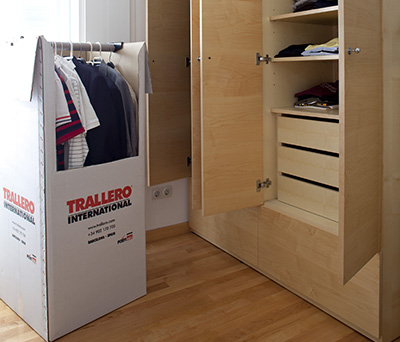
Moving during the holidays doesn’t just change your home: it changes your rhythm, your routines and even the family’s mood. The key to staying calm is accepting that, during those days, your home works as a temporary “base camp.” Instead of chasing perfection, aim for stability: define what’s non-negotiable (eating at a reasonable hour, sleeping, a stretch of downtime) and build the move around that. This approach reduces arguments because you’re not improvising at every decision, and it lets you sustain your energy when your surroundings are full of commitments, visitors and last-minute shopping.
The “realistic calendar”: fewer tasks, better mood
During the holidays, your schedule has false gaps: it looks like there’s time, but it actually fills up with errands and plans. A tip that works is planning by “micro-missions” of 25–40 minutes, not whole afternoons. That way you can pack a wardrobe, empty a drawer or label a shelf without feeling the day slip away. And here’s the fresh part: create a “buffer day” with no moving tasks, even if it sounds counterintuitive. That breather keeps you from arriving overwhelmed at the final stretch, which is exactly when family friction shows up.
If you delegate part of the process to professionals like Mudanzas Trallero, the realistic calendar gets easier because you focus on decisions and on the family, rather than putting out fires all day.
The “anti-stress box”: a simple trick that saves household harmony
In the thick of a move, what sets off the nerves isn’t one more box: it’s not finding the basics. Prepare an “anti-stress” box (or suitcase) per person with the essentials for 48 hours: comfortable clothes, chargers, medication, pajamas, an item that soothes the kids, and something that gives you a sense of home (a blanket, a mug, a small light). This lowers anxiety because, even if everything else is upside down, you know the essentials are under control. For the holidays, add a mini “celebration” kit: napkins, a tablecloth, two glasses and a symbolic touch. You’re not “setting up the house,” you’re creating an emotional pause.
Communication rules: the best packing for frayed nerves
In a family move, stress is contagious. A very effective tip is to agree on a simple rule: “ask before moving.” During the holidays, when there are more people at home, this keeps one person from relocating a box and another from panicking. Another strategy is the daily 10-minute “check-in”: each person says what they need today to feel okay and what they can contribute. It sounds basic, but it reduces arguments because you turn tension into concrete agreements. And if there are kids, give them a visible role (labeling with stickers, choosing what goes in their anti-stress box) so they feel in control and not just subjected to change.
A move with festive spirit: design “moments,” not perfection
Don’t try to celebrate as always when you’re surrounded by boxes. Better to create two or three small moments that keep the magic alive: a simple dinner with music, a short walk to clear your head, or a movie on the floor under blankets. This is a powerful tip because it reminds you that the move is a process, not an identity: you’re not “the stressed family,” you’re a family in transition. And if you can, leave the most emotional items for last (decorations, keepsakes, photo albums) and pack them calmly; handling those objects in a rush tends to trigger nostalgia and arguments.
Close out the year with less weight: lean on a plan and a team
If you want to enjoy the holidays without the move eating up your patience, combine these strategies with professional help so you can focus on what matters; with Mudanzas Trallero you can organize the move with more peace of mind. Want a personalized quote for your move? Click here




