You wake up one morning in Barcelona knowing that in two weeks you’ll be waking up in Seville, or perhaps the other way around: leaving the Andalusian heat behind to start a new life under Galician rain. Between that moment of decision and the reality of opening boxes in your new home lie 800 kilometres (roughly 500 miles) of motorway, logistics that would make an army general turn pale, and a host of variables that can turn your new adventure into an operational nightmare if you don’t manage them properly.
Long-distance domestic moves are a completely different beast from local moves. This isn’t simply a normal move but longer; it’s an operation that crosses regions, different climates, varied regulations and distinct local cultures, all while your belongings travel along roads that can shift from a perfect Mediterranean day to an Atlantic storm in just a few hours. Your entire life becomes a nomadic caravan navigating the geographic and administrative diversity of Spain, facing challenges that only appear when distance turns logistics into a complex science.
The psychology of distance: when the miles weigh more than the boxes
Distance is not just a physical measure; it’s a psychological barrier that completely transforms your relationship with the moving process. When you move within the same city, you know you can go back for something you forgot, you know where to buy what you need, and your support network is just a phone call and thirty minutes away. When there are 800 kilometres in between, that security disappears and turns into a vulnerability that has to be managed strategically.
The anxiety of distance is real and can affect your decisions in ways you don’t anticipate. We tend to over-pack, taking items we’d normally throw out simply because the thought of not being able to retrieve them easily creates insecurity. This emotional response can significantly inflate the volume of your move, driving up costs and logistical complexity. Recognising this tendency is the first step towards making more rational decisions about what’s really worth transporting across the country.
Managing the situation remotely becomes critical. While in a local move you can personally oversee every step of the process, in a long-distance move you have to learn to delegate and trust. This loss of direct control calls for more robust communication systems, more detailed documentation and a level of planning that anticipates problems you can’t solve personally on the fly.
Route logistics: navigating Spanish geography
Spain is a country of dramatic geographic contrasts, and a long-distance move can take you from sea level up to mountain passes over 1,000 metres (about 3,300 feet) high, from perfect coastal roads to winding mountain routes, from the dry climate of the central plateau to the humidity of the north. Each region presents unique logistical challenges that can significantly affect your move.
Spanish motorways are generally excellent, but secondary roads can present significant limitations for large vehicles. Mountain passes may have weight and length restrictions at certain times of year, coastal roads can be affected by maritime weather, and some routes have seasonal limitations you need to factor into your planning.
Spain’s terrain means that direct routes aren’t always the most practical. A move from Madrid to A Coruña may require choosing between shorter routes with greater geographic complexity, or longer routes with better road conditions. These decisions affect not only transport time but also vehicle wear, fuel consumption and the risks associated with more demanding driving conditions.
Timing and service coordination
Time, on a long-distance move, becomes a critical variable you have to manage with military precision. It’s not just transport time; it’s coordinating the disconnection of utilities at your origin, the transit time and the connection of services at your destination. A timing error can leave you without electricity, internet or basic services for days or even weeks.
Managing utilities requires advance planning that takes into account the differences between providers in different regions. Electricity, gas, telecoms and water companies may have different procedures, response times and requirements depending on the region. What’s a 24-hour process in Madrid may take a week in a smaller town.
Specialised services such as high-speed internet, security systems or maintenance services may not be available immediately at your new location, or may require installations that take weeks to complete. Planning these needs months in advance can be the difference between a smooth transition and weeks of frustration in your new home.
Legal and administrative matters across regions
Moving between Spain’s autonomous regions introduces administrative complexities that go beyond a simple change of address. Different regions have specific residency regulations, may have different documentation requirements, and some procedures may require your physical presence, which you must carefully coordinate with your moving schedule.
Registering at your new town hall (the padrón, Spain’s municipal residence register) is just the beginning. Depending on your professional situation, you may need to update professional registrations, licences or certifications that can have specific requirements in your destination region. The self-employed, for example, may face significant differences in tax and social-security regulations between regions.
Tax matters can be particularly complex. Some regions offer specific incentives for new residents, while others may impose additional tax obligations. The timing of your move can affect your annual tax situation, and proper planning can save you meaningful amounts of money or spare you bureaucratic complications down the line.
Climate and seasonal challenges
Spain experiences dramatic climate variations not only between seasons but also between regions. A long-distance move can take you from a Mediterranean climate to an Atlantic one, from dry conditions to high humidity, from mild temperatures to extremes of cold or heat. These climate changes affect not only your personal comfort but also the safety and integrity of your belongings in transit.
Humidity-sensitive items can suffer considerable damage when moved from dry regions to humid ones, especially if the packing isn’t designed for these changes. Musical instruments, artworks, books and important documents may require gradual acclimatisation to avoid moisture-shock damage. Likewise, transport from humid to dry regions can cause cracking, warping and other damage related to rapid moisture loss.
Seasonal conditions can dramatically affect the routes available and transport conditions. Mountain passes may be closed or require snow chains in winter, coastal storms can affect sea routes if your move includes ferry transport, and extreme weather can require route adjustments that add significant time and cost to your move.
Financial planning for long-distance moves
The cost of long-distance moves can vary considerably based on multiple factors that go beyond a simple calculation of distance and volume. Motorway tolls can add hundreds of euros to your bill, especially if your route crosses several toll roads. Fuel costs multiply not only with distance but also with driving conditions: mountain routes, urban traffic and adverse weather can significantly increase consumption.
Indirect expenses are often underestimated in the initial planning. Temporary accommodation for you and your family during transit, meals on the road, possible overnight stays if the move takes several days, and the cost of additional services at the destination can add up quickly. On top of that, unexpected expenses can arise: extra tolls for alternative routes due to weather, temporary storage costs if your new home isn’t available on schedule, or emergency services if mechanical problems occur en route.
Financial planning should include a more robust contingency fund than for a local move. The problems that arise during long-distance moves are more expensive to solve because of the distance from your base of operations, the lower availability of help from family and the potential need for specialised services in remote locations.
Emotional and family considerations
Long-distance moves deeply affect family dynamics and require emotional management that goes beyond physical logistics. Children may feel anxious about the distance from friends and family, pets may suffer stress from long journeys, and adults may face the reality that they’re physically cutting off connections they used to maintain easily.
Managing family expectations requires open communication about the challenges and benefits of the move. Children need time to process the magnitude of the change, especially when they realise they won’t be able to easily visit familiar places or keep up regular activities with friends. Planning regular visits to the old city can be an important part of the family strategy for maintaining meaningful connections.
Pets require special consideration for long journeys. Trips of several hours can be stressful for animals not used to being in vehicles for extended periods. Planning regular stops, providing comforts during the journey and preparing the arrival space can minimise the trauma of the move for the furry members of the family.
Support networks and settling in at your destination
Settling into a new region means building support networks from scratch, a process that can be particularly challenging when distance makes it impractical to keep up the regular support of your previous network. Researching local communities, interest groups and networking opportunities in advance can significantly speed up your integration into your new city.
Regional cultural differences, however subtle, may require periods of adjustment. Business hours, social customs and even the pace of life can vary significantly between Spanish regions. Someone from Madrid moving to a coastal town may need time to adapt to a more relaxed rhythm, while someone from the north moving south may need to adjust expectations about schedules and service availability.
Building professional networks in your new location may require different strategies from the ones you used in your home city. Networking opportunities, professional associations and even professional expectations can vary between regions. Researching the local professional ecosystem can be just as important as researching household service providers.
Professional experience as a guarantee of success
Long-distance domestic moves are complex logistical operations that require specific experience, specialised resources and a deep understanding of the geographic, administrative and cultural particularities of different regions of Spain. The difference between a successful move and a troublesome experience often comes down to choosing professionals who understand these unique challenges and have the experience to anticipate and manage the specific complexities of these relocations.
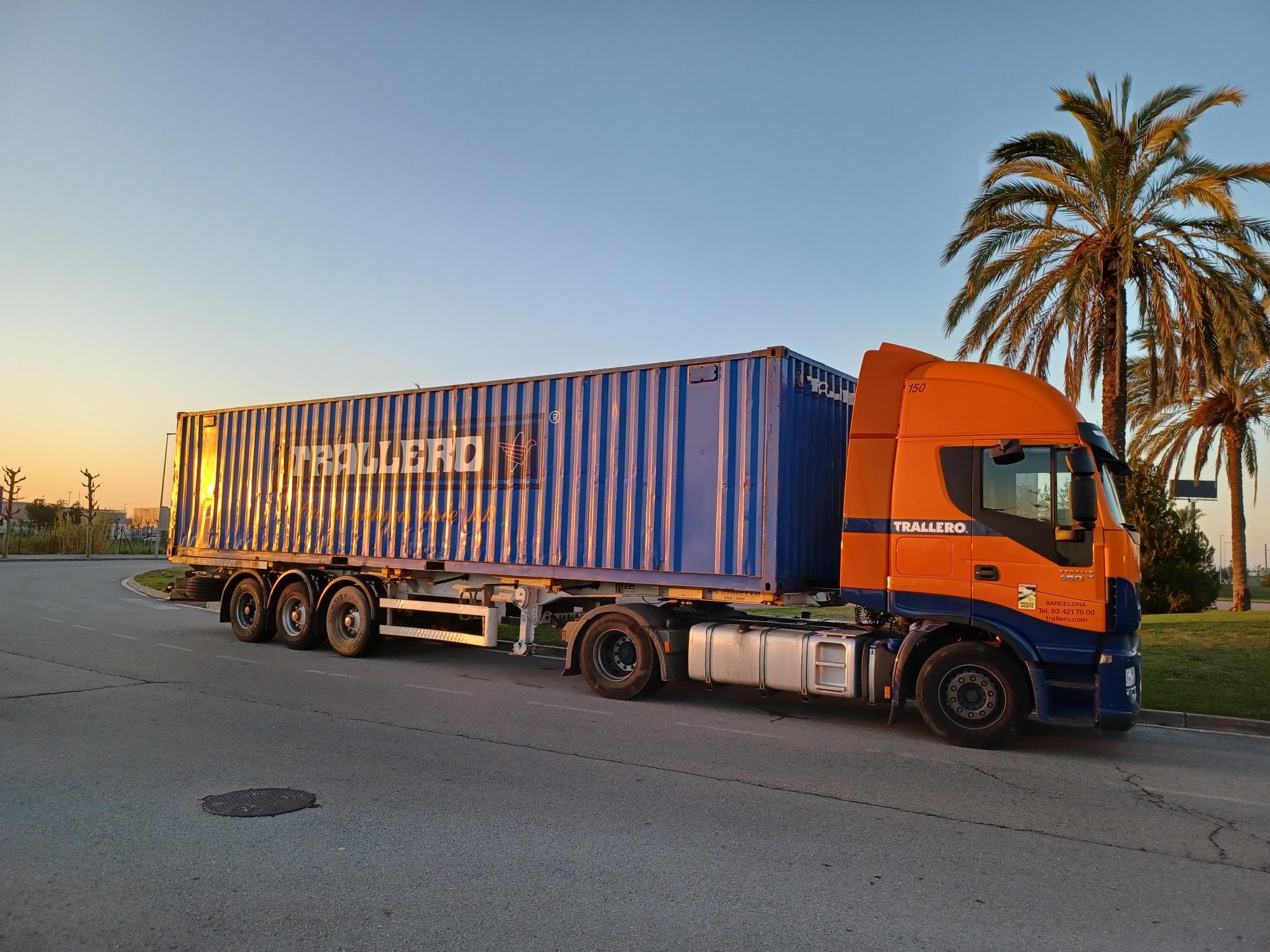
Mudanzas Trallero brings decades of experience in long-distance domestic moves, with in-depth knowledge of optimal routes, regional regulations and best practices for managing relocations that cross several regions. Their nationwide network of resources and contacts lets them offer integrated solutions ranging from logistics planning to support with administrative paperwork. With teams specialised in long-distance moves and tracking systems that keep you informed throughout the entire process, they offer the peace of mind and professionalism you need when you decide to change regions. Discover how they can make your long-distance domestic move a positive experience, and start your new life with the confidence that only professional experience can give.