
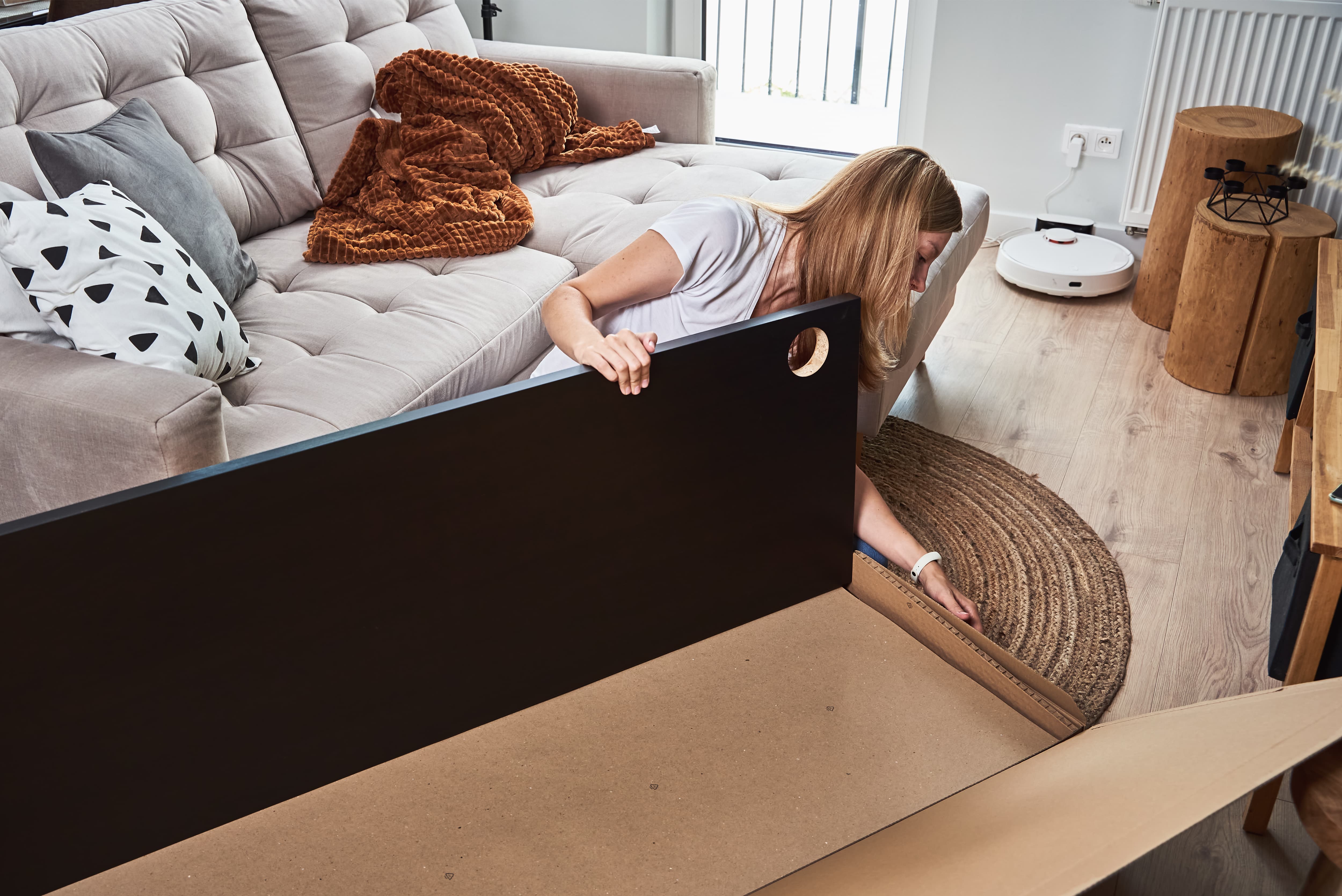
Packing large furniture when space is limited can turn into a real challenge. From bulky sofas to heavy wardrobes, each piece needs a specific strategy to avoid damage, make transport easier and make the most of every available inch.
In this article you’ll discover the best tips for packing large furniture in tight spaces, so your move is more organised, efficient and hassle-free.
1. Plan ahead: measure and map out a strategy
Before you start packing and moving your large furniture, detailed planning is essential. It helps you avoid setbacks and ensures each piece is moved efficiently, especially when space is limited.
Why is measuring before the move so important?
Many people underestimate how much the size and weight of furniture affect a move, which can lead to space problems in the van, trouble getting items through doors and hallways, or even damage to pieces if they aren’t handled properly.
To prevent these issues, follow these steps:
- Measure each piece precisely: note the height, width and depth of every item to make sure it fits through the available access points.
- Assess the access points: doors, lifts, hallways, stairs and any other obstacles in both your current home and the destination.
- Map out a route: sketch the path you’ll take when moving each piece, making sure there’s enough room to manoeuvre safely.
- Check the size of the moving vehicle: make sure the van or lorry has enough capacity to carry the large furniture without trouble.
If any piece is too big to fit through doors or stairwells, you may need to dismantle it or use special techniques to move it.
2. Dismantle whenever possible
One of the most effective tricks for moving large furniture in tight spaces is to dismantle it before the move. This makes handling easier, reduces the risk of damage and optimises space in the van.
Which furniture should you dismantle?
- Tables: remove the legs and protect them with bubble wrap or moving blankets.
- Modular sofas: if the design allows, separate the modules and pack them individually.
- Beds and headboards: take apart the frame and gather all the small parts in labelled bags.
- Wardrobes and shelving units: remove doors, shelves and drawers to make transport easier.
💡 Handy tip: keep all screws, bolts and small parts in labelled resealable bags. You can also tape them to the inside of the dismantled piece so you don’t lose them.
3. Use the right packing materials
Using quality packing materials is key to protecting furniture during transport.
Essential materials for packing large furniture:
- Moving blankets: ideal for wrapping bulky furniture and preventing scratches and knocks.
- Bubble wrap: perfect for protecting corners and fragile elements such as glass or polished wood.
- Corrugated cardboard: can be used to cover tables, doors and wooden surfaces.
- Stretch film: holds dismantled parts in place and prevents movement.
- Heavy-duty tape: essential for securing the packing and keeping everything in place.
If you have limited space to pack in, choose more flexible materials instead of bulky boxes, such as padded blankets and vacuum bags for soft items.
4. Make the most of the space during the move
When space is limited, every inch counts. The key is to arrange your furniture and belongings strategically to maximise the available space.
Tips for making the most of the space:
- Stack lightweight items on top of large furniture: use the top of furniture to place small boxes or bags of light items.
- Use the empty space inside furniture: if a piece has drawers or internal compartments, use them to store pillows, clothes or blankets.
- Load the bulkiest furniture last into the van: this helps it serve as a supporting base and maximises loading space.
- Use securing straps: fasten the largest pieces so they don’t shift and take up more space than needed.
💡 Tip: if you have lots of large pieces and little room to arrange them, consider consulting moving professionals for tailored advice.
5. Protect furniture during transport
Good packing matters, but so does the way the furniture is moved.
Protective measures in tight spaces:
- Slide furniture instead of lifting it: use rugs, blankets or thick towels to slide heavy furniture without damaging floors and walls.
- Secure the furniture in the vehicle: use straps and tie-downs so it doesn’t move or get damaged in transit.
- Check the lift’s maximum load: if you’re using a lift to move large furniture, make sure not to exceed its load capacity.
- Consider using a furniture hoist: if the access points are too narrow, a hoist may be the best way to lift bulky furniture up the facade.
💡 Extra tip: always protect the corners and edges of furniture with cardboard or protective foam to prevent knocks during the move.
6. Label and organise each piece
Good organisation makes unpacking much easier and prevents losses or mix-ups.
How to label efficiently
- Use adhesive labels with the name of the piece and the room it belongs to.
- Number the dismantled parts so you don’t mix them up when reassembling.
- Mark the most delicate items “FRAGILE” so they’re handled with care.
💡 Tip: you can also take photos before dismantling furniture to remind yourself how it should go back together.
Plan ahead so you can pack your large furniture
Packing large furniture in tight spaces takes planning, organisation and the right materials. Dismantling furniture, making the most of the available space and protecting each piece properly will give you a safer, more efficient move.
If you’d rather not worry about these details, working with moving professionals can make all the difference.
At Mudanzas Trallero, we specialise in transporting large furniture safely and efficiently, even in tight spaces.
If you want your move to be fast, stress-free and with maximum protection for your furniture, get in touch today and discover how we can help you with your move.




